

Don’t Get Caught Off Guard: The Ultimate Security Compliance Audit Checklist
November 7, 2025
Streamline Your Security Compliance: A Practical Audit Checklist for Organizations
November 8, 2025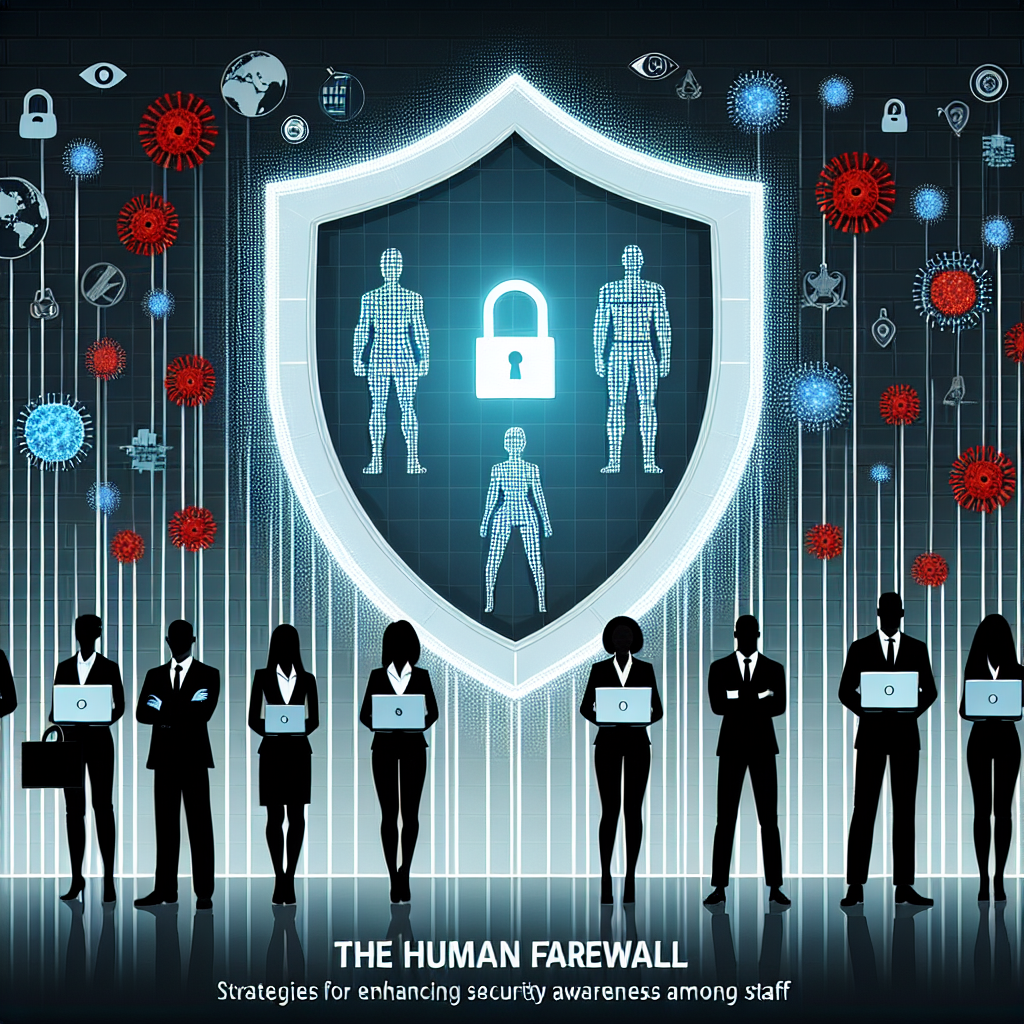
In today’s digital landscape, cybersecurity threats evolve rapidly, making it crucial for organizations to bolster their defenses. While sophisticated technology plays a significant role in securing networks, the human element—often referred to as the "human firewall"—is equally vital. Employees are typically the first line of defense against cyber threats, including phishing attacks, malware, and insider threats. Enhancing security awareness among staff is essential for cultivating a culture of vigilance and responsibility. Here are effective strategies to strengthen this human firewall.
1. Comprehensive Training Programs
a. Regular Workshops and Seminars
Implementing ongoing training sessions helps keep employees informed about the latest threats and security protocols. Each session can focus on specific topics, such as recognizing phishing emails, managing passwords securely, and understanding data protection laws.
b. Simulation Exercises
Conduct regular tabletop exercises and simulated phishing attacks to test employees’ responses to potential threats. This hands-on approach reinforces learning and prepares staff for real-life scenarios.
2. Promoting a Culture of Open Communication
a. Encourage Reporting
Create an environment where employees feel comfortable reporting suspicious activities without fear of reprimand. Establish clear reporting channels and ensure that staff know how to use them effectively.
b. Share Relevant Information
Distribute regular updates about new security threats and incidents within the organization. Transparency breeds trust and reinforces the importance of vigilance.
3. Utilization of Gamification Techniques
a. Engage Employees Through Games
Incorporating gamification can make security training more engaging. Utilize quizzes, competitions, and interactive scenarios to encourage participation and reinforce learning.
b. Recognition and Rewards
Establish a recognition program for employees who demonstrate exceptional awareness or report security incidents. Incentives not only motivate individuals but also inspire a collective commitment to security.
4. Executive Support and Leadership Involvement
a. Leading by Example
When leaders prioritize cybersecurity and actively participate in training programs, it sets a tone for the entire organization. Employees are more likely to engage with security protocols if they see executives taking it seriously.
b. Establishing a Security Champion Network
Designate security champions in various departments to promote awareness and serve as points of contact for security-related queries. These champions can bridge the gap between IT and staff, ensuring that security remains a top priority.
5. Developing Clear Policies and Procedures
a. Accessibility and Clarity
Ensure that security policies are easily accessible and written in an understandable format. Employees should know the protocols for handling sensitive data, reporting incidents, and utilizing technology securely.
b. Regular Reviews and Updates
Security policies should be dynamic documents that reflect the evolving threat landscape. Regular reviews and updates will keep the organization aligned with best practices and compliance requirements.
6. Implementing Multi-Factor Authentication (MFA)
a. Strengthening Access Controls
Mandate the use of MFA across all platforms and applications. This adds an extra layer of security, making it significantly more challenging for unauthorized users to gain access, even if they have a password.
b. Training on MFA Use
Educate employees on the importance of MFA and provide clear instructions on how to implement it properly. Awareness of its role in enhancing security can encourage compliance.
7. Regular Assessments and Feedback Loops
a. Conduct Security Audits
Regularly assess the organization’s security posture through audits and assessments. Identify areas for improvement and tailor training and awareness initiatives accordingly.
b. Gather Employee Feedback
Solicit feedback from staff about training effectiveness and their perceptions of security policies. Understanding their perspective can provide invaluable insights for refining programs and strategies.
Conclusion
As cyber threats continue to proliferate, boosting security awareness among staff becomes increasingly critical. By investing in comprehensive training, fostering open communication, and creating an engaging learning environment, organizations can effectively enhance their human firewall. With every employee playing a role in maintaining security, organizations are not just defending against potential attacks, but building a resilient culture that prioritizes safety in the face of evolving threats. Emphasizing the human element of cybersecurity is not just an organizational strategy; it’s an essential component of modern business operations.