
Security Culture: A Corporate Necessity in the Age of Cyber Threats
November 9, 2025
Building Trust: How Open Communication Can Enhance Your Security Culture
November 10, 2025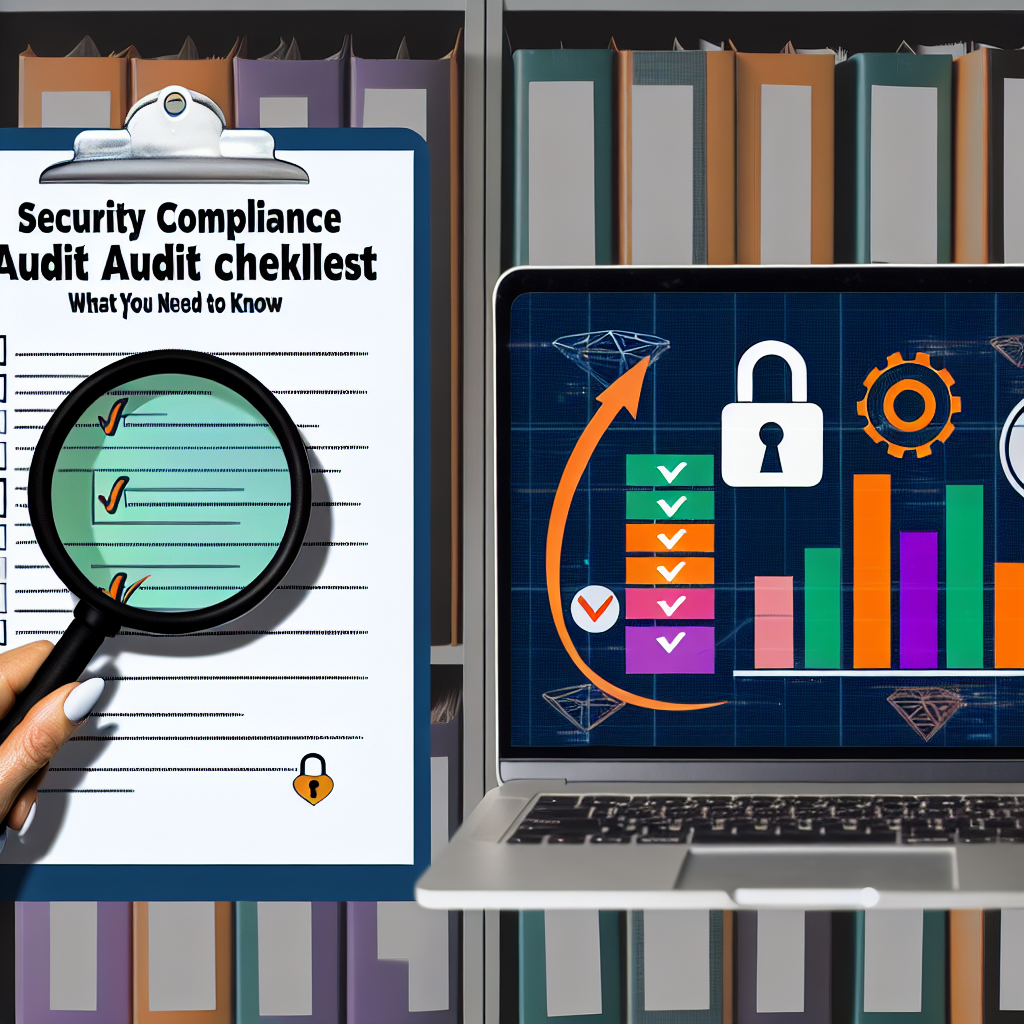
In today’s increasingly digital world, organizations face myriad threats to their data and operations. Security compliance audits have become critical in ensuring that companies uphold industry standards, regulations, and best practices. A well-crafted security compliance audit checklist serves as a roadmap, enabling organizations to assess and reinforce their security posture. Here’s an overview of the key elements to include in your security compliance audit checklist.
1. Define the Scope of the Audit
Before delving into specific items on the checklist, it’s crucial to define the scope. This involves identifying:
- Regulatory Requirements: Understand which regulations apply to your organization, such as GDPR, HIPAA, PCI-DSS, or CCPA.
- Business Units: Determine which departments or units will be covered in the audit.
- Assets and Data Locations: Identify all data assets and where they are stored, including databases, cloud services, and physical locations.
2. Data Protection and Privacy Policies
Evaluating data protection protocols is essential:
- Data Classification: Ensure data is categorized based on sensitivity levels.
- Data Breach Response Plan: Review if a documented response plan exists in case of a data breach.
- Access Controls: Verify the implementation of role-based access controls to limit data access.
3. Security Policies and Procedures
Examine existing security policies and protocols:
- Acceptable Use Policy: Confirm that employees are aware of acceptable and prohibited uses of company resources.
- Incident Response Procedures: Assess whether formal incident response plans are in place and tested regularly.
- Employee Training: Check if security awareness training is regularly conducted for all employees.
4. Risk Assessment and Management
Identify how the organization manages risks:
- Regular Risk Assessments: Ensure assessments are performed periodically to identify vulnerabilities.
- Risk Mitigation Strategies: Evaluate the effectiveness of strategies implemented to mitigate identified risks.
- Third-party Risk Management: Review processes for assessing the security posture of third-party vendors and partners.
5. Technical Controls and Safeguards
Analyze the technical measures in place to protect data:
- Firewalls and Intrusion Detection Systems: Check for proper configuration and monitoring of firewalls and IDS/IPS systems.
- Encryption Standards: Verify that sensitive data, both in transit and at rest, is encrypted.
- Patch Management: Review the process for keeping software and systems updated to mitigate vulnerabilities.
6. Monitoring and Logging
Monitoring is crucial for early detection of security incidents:
- Log Management: Assess whether logs are collected, retained, and monitored effectively for suspicious activity.
- Security Information and Event Management (SIEM): Evaluate the use of SIEM solutions to automate threat detection and response.
- Anomaly Detection: Verify processes for identifying anomalies in network traffic and user behavior.
7. Audit Trails and Accountability
Establishing accountability is key:
- Documentation: Ensure that all policies, procedures, and incidents are properly documented.
- Review Processes: Implement regular reviews of audit trails to ensure compliance with policies.
- Accountability Structures: Identify individuals or teams responsible for different aspects of compliance for better oversight.
8. Continuous Improvement and Corrective Actions
Security compliance is not a one-time effort but an ongoing process:
- Feedback Mechanisms: Establish processes for collecting feedback from audits to improve security measures.
- Corrective Action Plans: Review how well the organization addresses issues identified in previous audits.
- Employee Accountability: Ensure that there are repercussions for non-compliance and incentives for positive security behaviors.
Conclusion
A comprehensive security compliance audit checklist is invaluable for organizations aiming to strengthen their security posture and ensure compliance with relevant regulations. By focusing on key elements such as defining the scope, evaluating policies, assessing risks, and monitoring systems, organizations can create a robust framework that not only protects sensitive information but also fosters a culture of security awareness. Regular audits and updates to the checklist based on evolving threats and regulations are essential for maintaining a proactive security strategy.