
Why Every Employee is a Security Officer: Creating a Collective Responsibility
November 13, 2025
The ROI of Security Culture: Investing in People for Better Protection
November 14, 2025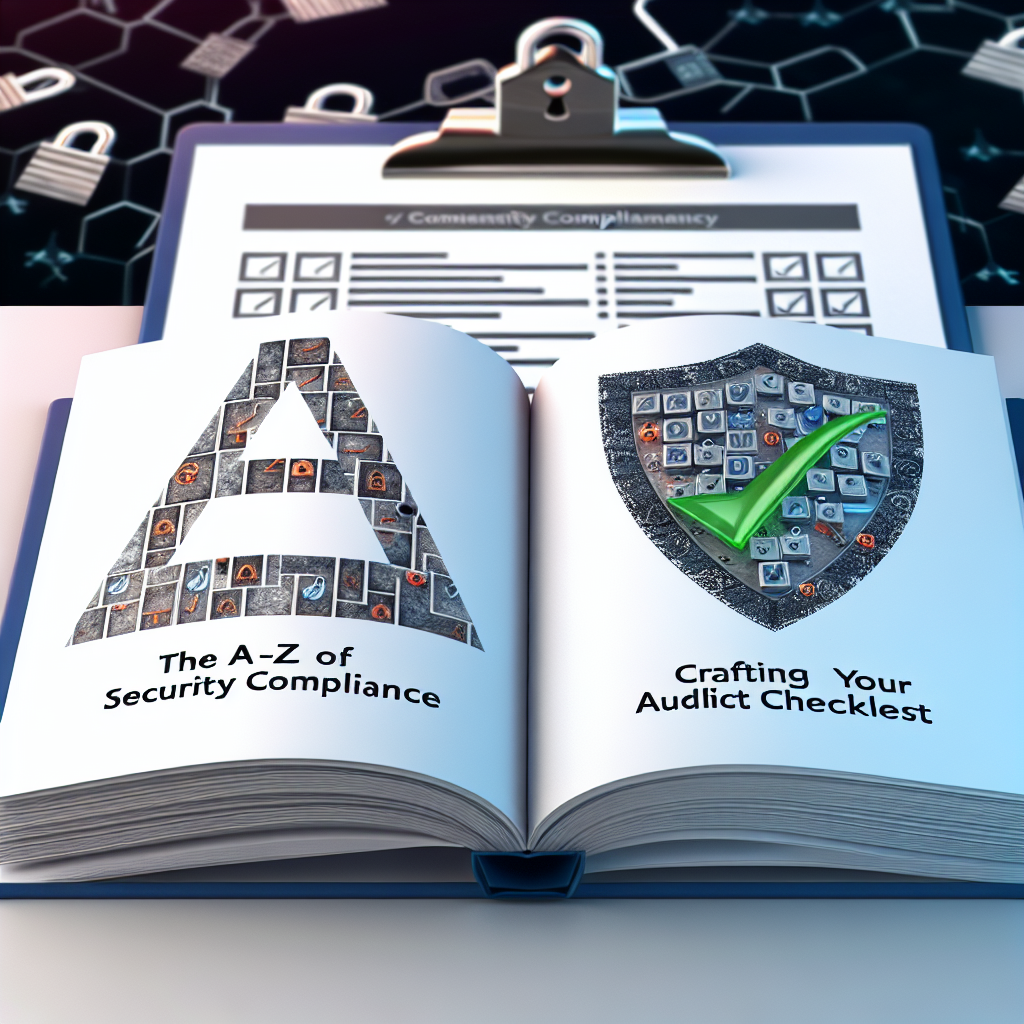
In today’s digital landscape, security compliance is paramount for organizations of all sizes. With increasing regulatory requirements and the ever-present threat of cyberattacks, a robust audit checklist serves as a vital tool for ensuring security measures are in place and effective. This article will outline essential elements from A to Z to help you craft your perfect audit checklist for security compliance.
A: Assess Risks
Begin by identifying potential risks that could impact your organization, such as data breaches, insider threats, and regulatory fines. Map these risks to their corresponding assets.
B: Billing and Payment Security
Ensure that payment processing systems adhere to Payment Card Industry Data Security Standards (PCI DSS) and that sensitive financial data is encrypted.
C: Compliance Frameworks
Familiarize yourself with relevant compliance frameworks—including ISO 27001, NIST, HIPAA, and GDPR—that set the standards for security practices within your industry.
D: Data Protection
Implement measures to protect sensitive data. This includes encryption, access controls, and regular data backups.
E: Employee Training
Regularly educate your staff about security protocols, phishing attacks, and best practices to foster a culture of security awareness.
F: Firewall and Intrusion Detection
Make sure your organization has robust firewalls and intrusion detection/prevention systems (IDPS) in place to protect against unauthorized access.
G: Governance Policies
Define clear governance structures that outline roles and responsibilities for security compliance across your organization.
H: Hardware Security
Evaluate the physical security of hardware, ensuring devices are securely stored and monitored against theft or tampering.
I: Incident Response Plan
Develop a comprehensive incident response plan that outlines steps to take in the event of a data breach or security incident.
J: Job Role Access
Implement a principle of least privilege concerning access rights based on job roles to minimize potential exposure to sensitive data.
K: Key Management
Ensure that cryptographic keys are generated, stored, and managed using secure processes to protect sensitive information.
L: Logging and Monitoring
Establish logging mechanisms to capture access and changes to systems and data, which helps in detecting suspicious activities.
M: Multi-Factor Authentication (MFA)
Implement MFA to add an additional layer of security for accessing sensitive systems and data.
N: Network Security
Examine the putative security of your network architecture and ensure that policies are enforced to protect against unauthorized access and breaches.
O: Ongoing Audits
Conduct regular audits to assess compliance with security policies and procedures, adjusting as necessary to handle new threats.
P: Privacy Policies
Create and maintain transparent privacy policies that comply with regulations and inform users about how their data will be utilized.
Q: Quality Assurance
Integrate quality assurance practices into your security processes to ensure ongoing effectiveness and compliance.
R: Regulatory Compliance
Stay abreast of changes in legislation impacting your industry and adapt compliance practices to meet new requirements.
S: Security Assessments
Regularly conduct security assessments, including vulnerability scans and penetration testing, to identify and remediate potential weaknesses.
T: Third-Party Risk Management
Evaluate the security practices of third-party vendors to mitigate risks associated with outsourced services and partnerships.
U: User Access Controls
Implement strong user access controls, including role-based access and account permissions, to limit exposure to sensitive information.
V: Vulnerability Management
Establish a vulnerability management program to continuously identify, prioritize, and remediate security vulnerabilities.
W: Workforce Security
Assess the security implications of your workforce, including remote employees, and ensure that policies are in place to manage associated risks.
X: Xenophobia in Data Handling
Avoid xenophobic bias in data handling and ensure fair treatment of data subjects according to regulations and ethical standards.
Y: Yearly Review
Conduct an annual review of your security compliance checklist to incorporate new industry standards, regulations, and technological advancements.
Z: Zero Trust Architecture
Adopt a Zero Trust model, where verification is required from everyone attempting to access resources, regardless of whether they are inside or outside the organization.
Conclusion
Crafting the perfect audit checklist for security compliance is an ongoing process that requires diligence and adaptability. By following this A-Z guide, organizations can create a comprehensive framework to address their unique security needs and ensure regulatory compliance. Regularly revisiting and updating this checklist will fortify your organization against evolving threats and maintain a robust security posture.