
The ROI of Security Culture: Investing in People for Better Protection
November 14, 2025
Navigating the Cyber Frontier: Why Executive Leaders Need Advanced Cybersecurity Training
November 15, 2025
In today’s digital landscape, security compliance has become more than just a regulatory requirement; it’s a critical element of business strategy. As organizations face increasing threats, a rigorous security posture fosters customer trust and protects sensitive information. Creating an effective security compliance checklist is essential for ensuring your organization is audit-ready and capable of responding to these challenges.
Understanding Security Compliance
Security compliance refers to adhering to industry regulations, standards, and guidelines designed to protect information and ensure operational integrity. Common frameworks include:
- General Data Protection Regulation (GDPR)
- Health Insurance Portability and Accountability Act (HIPAA)
- Payment Card Industry Data Security Standard (PCI DSS)
- ISO/IEC 27001
These frameworks not only help mitigate risks but also enhance organizational reputation by demonstrating a commitment to data protection.
Creating an Effective Security Compliance Checklist
Step 1: Determine Applicable Regulations
Before diving into compliance, identify which regulations apply to your organization based on industry, geographic location, and the nature of your operations. Understanding these frameworks sets the foundation for your checklist.
Step 2: Conduct a Risk Assessment
A risk assessment will help pinpoint potential vulnerabilities within your systems. Consider conducting evaluations that include:
- Data Inventory: Catalog all data types and their storage locations.
- Threat Analysis: Identify potential risks like phishing attacks, data breaches, and insider threats.
- Impact Assessment: Understand the potential repercussions of a security incident.
Step 3: Define Security Policies and Procedures
Based on your risk assessment, establish clear security policies that outline your organization’s approach to compliance. Important policies may include:
- Data Protection Policy: Guidelines for handling sensitive information.
- Incident Response Policy: Steps to take in case of a security breach.
- Access Control Policy: Procedures for granting and revoking access to sensitive information.
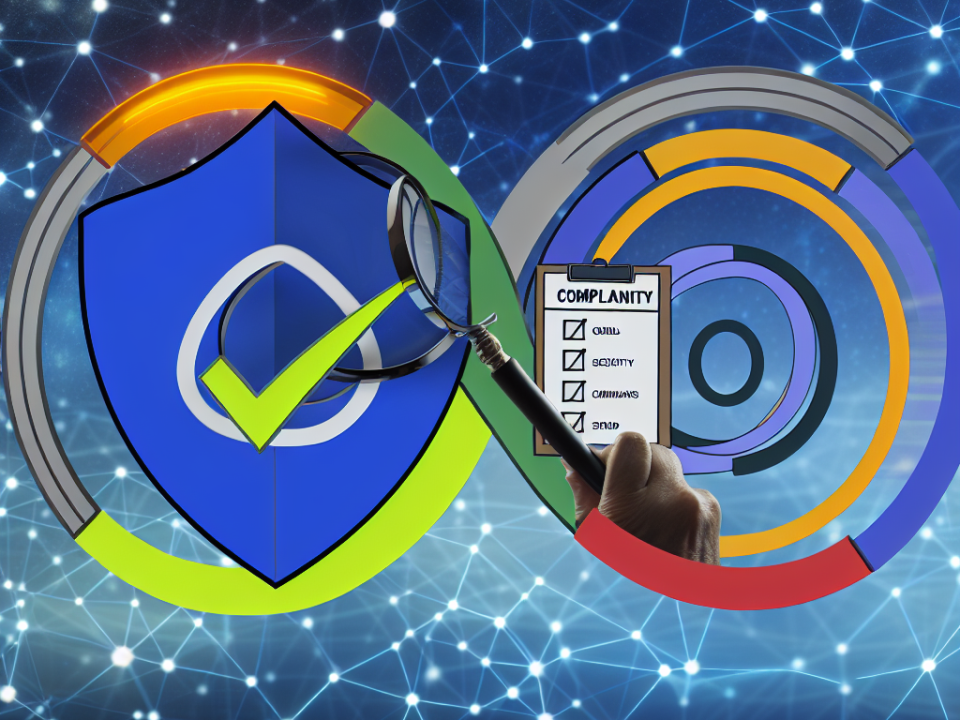
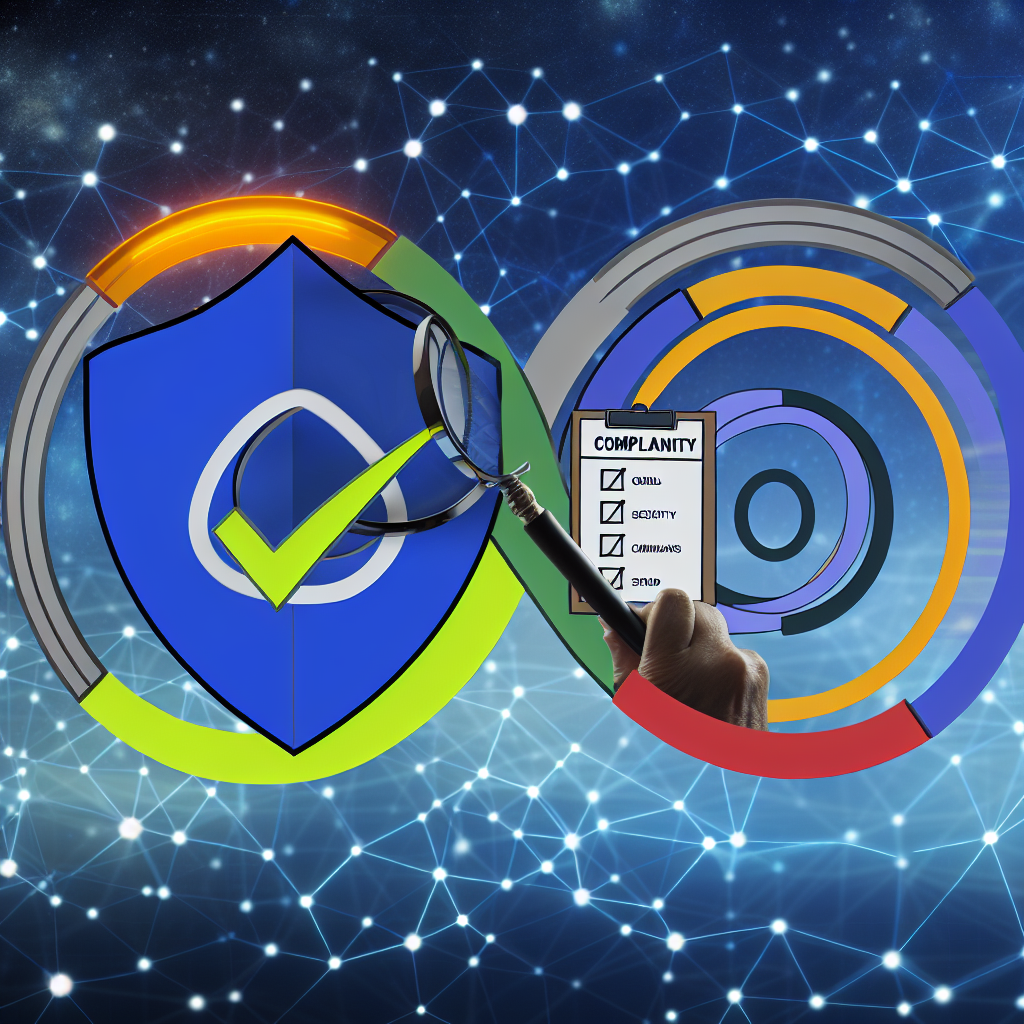
Step 4: Develop Your Checklist
Your checklist should be a living document, evolving with new laws, standards, and technologies. Here are key components to include:
-
Data Handling and Encryption
- Ensure data is encrypted both at rest and in transit.
- Regularly update encryption methods.
-
Access Controls
- Implement least privilege access across the organization.
- Use multi-factor authentication (MFA) for critical systems.
-
Training and Awareness
- Conduct regular security awareness training for all employees.
- Provide tailored training for teams handling sensitive data.
-
Incident Response Plan
- Ensure an incident response plan is in place and regularly tested.
- Assign roles and responsibilities for various stakeholders.
-
Vendor and Third-Party Management
- Assess and validate the security practices of third-party vendors.
- Review contracts to ensure compliance with necessary regulations.
-
Monitoring and Auditing
- Implement continuous monitoring of networks and systems.
- Schedule regular audits to assess compliance with policies and procedures.
- Documentation and Record-Keeping
- Keep thorough records of all compliance-related activities.
- Maintain logs for access control and incident responses.
Step 5: Schedule Regular Reviews
The landscape of security compliance is ever-changing; thus, regular reviews and updates to your checklist are essential. Schedule periodic audits to ensure adherence to guidelines and refine policies as necessary. Keeping abreast of updates to applicable frameworks helps you adapt dynamically to changes.
Step 6: Engage Stakeholders
Creating a culture of security compliance requires buy-in from all levels of the organization. Engage stakeholders across departments to ensure the checklist is comprehensive and addresses specific needs. Regular communication about compliance status and strategies creates a collaborative environment focused on security.
Conclusion
Creating an effective security compliance checklist is not merely about ticking boxes; it’s about embedding security into the DNA of your organization. By developing and maintaining a thorough checklist, you can ensure your organization is audit-ready while protecting its most valuable assets: customer data, intellectual property, and your brand’s reputation. As the regulatory landscape continues to evolve, proactive management of security compliance will be a key driver of success in the modern business environment.