
Navigating the Cyber Frontier: Why Executive Leaders Need Advanced Cybersecurity Training
November 15, 2025
Empowering Executives: The Essential Role of Cybersecurity Education in Today’s Digital Landscape
November 16, 2025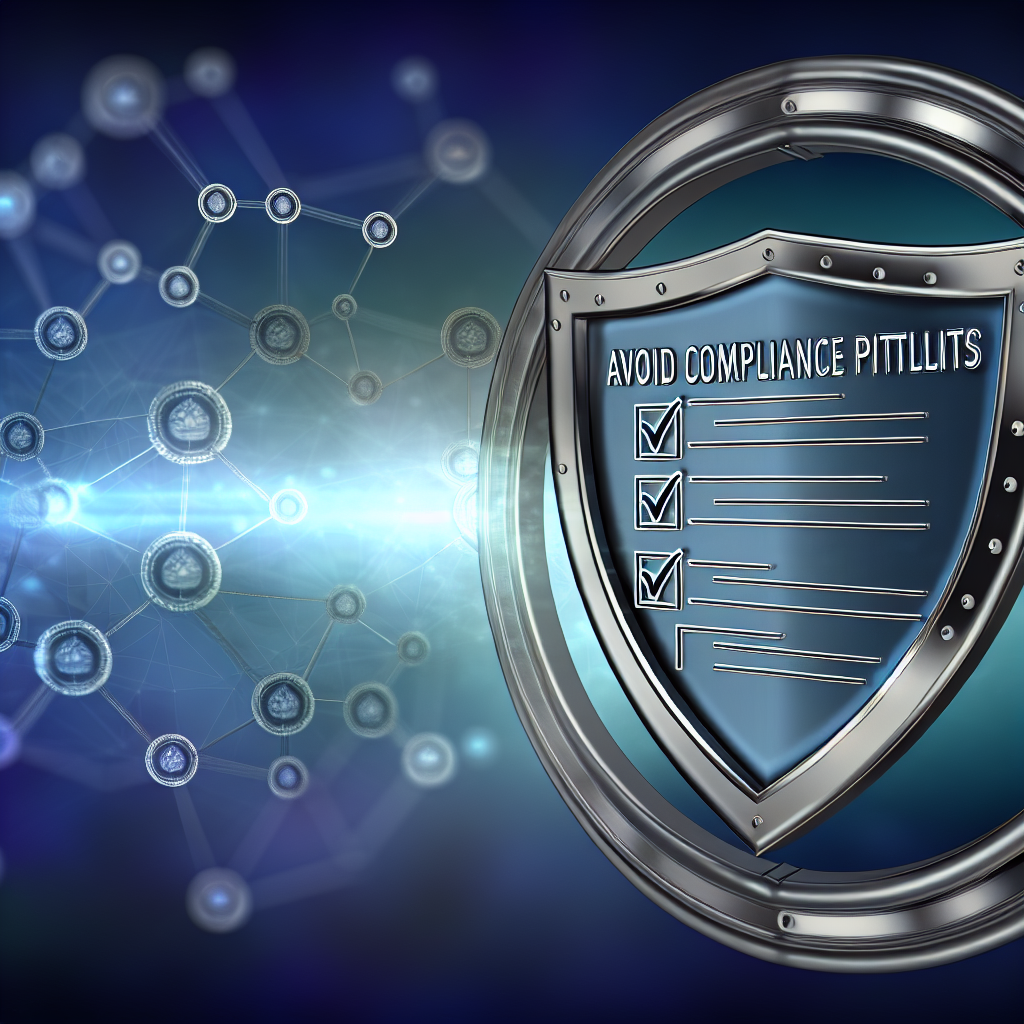
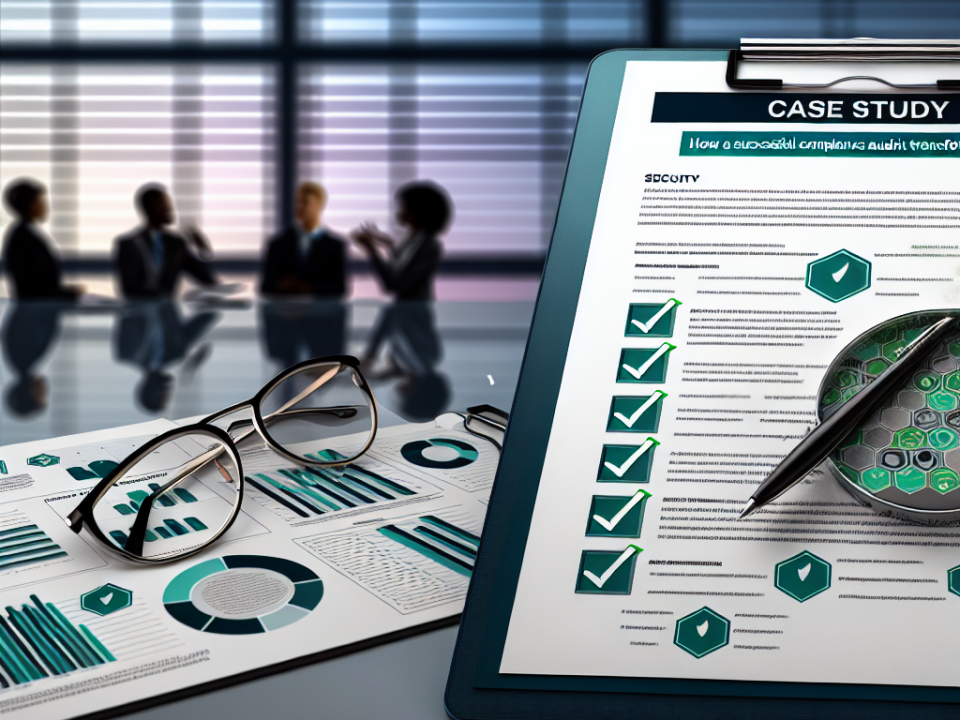
In today’s digital landscape, businesses are increasingly vulnerable to security breaches, data leaks, and regulatory scrutiny. Compliance with industry standards is not merely a best practice; it’s an imperative. A robust security audit checklist can help organizations identify potential compliance pitfalls before they become problematic. Here’s your guide to conducting a thorough security audit that helps mitigate risks and ensures compliance.
Understanding Compliance Requirements
Before diving into the checklist, it’s essential to understand the compliance landscape. Different industries have varying requirements, including:
- General Data Protection Regulation (GDPR): For businesses handling EU citizens’ data.
- Health Insurance Portability and Accountability Act (HIPAA): For healthcare organizations managing sensitive patient information.
- Payment Card Industry Data Security Standard (PCI DSS): For enterprises processing credit card transactions.
Being aware of these frameworks allows you to tailor your security audit appropriately.
The Security Audit Checklist
1. Physical Security
- Access Control: Ensure that physical access to sensitive areas (servers, data centers) is restricted to authorized personnel only.
- Surveillance Systems: Regularly inspect security cameras and alarms to ensure they are functional and effectively monitoring critical areas.
2. Network Security
- Firewall Configuration: Verify that firewalls are correctly configured to protect against unauthorized access.
- Wi-Fi Security: Ensure that your Wi-Fi networks are encrypted and secured with strong passwords.
- Intrusion Detection Systems (IDS): Regularly test IDS to ensure they can recognize and respond to potential threats.
3. Data Protection
- Data Encryption: Confirm that all sensitive data, both at rest and in transit, is encrypted.
- Data Backup: Regularly back up data, and ensure that backup systems are secure and accessible only to authorized personnel.
- Data Retention Policies: Review and enforce data retention policies to minimize the risk of holding unnecessary sensitive information.
4. User Access Controls
- Role-Based Access Control (RBAC): Implement RBAC to ensure users only access information necessary for their job functions.
- Multi-Factor Authentication (MFA): Require MFA for all sensitive systems and accounts to add an extra layer of security.
- Access Reviews: Conduct periodic reviews of user access permissions to identify and revoke unnecessary access.
5. Software Security
- Patch Management: Regularly update all software, including operating systems and applications, to address vulnerabilities.
- Vulnerability Scanning: Use automated tools to identify and address potential security vulnerabilities in your systems.
- Third-Party Software: Assess the security posture of third-party vendors and ensure they comply with your security standards.
6. Incident Response Plan
- Develop an Incident Response Plan: Outline procedures for responding to various types of security incidents, including data breaches.
- Testing and Drills: Regularly conduct drills to test the effectiveness of your incident response plan and make necessary adjustments.
- Post-Incident Review: After an incident, perform a thorough review to assess response effectiveness and update procedures as needed.
7. Training and Awareness
- Employee Training Programs: Implement regular training programs to educate employees about security best practices and compliance standards.
- Phishing Simulations: Conduct phishing simulations to train employees on how to recognize and respond to email threats.
- Security Culture Promotion: Foster a culture of security within your organization to encourage ongoing vigilance among staff.
8. Documentation and Reporting
- Policy Documentation: Ensure all security policies and procedures are well-documented and accessible to relevant personnel.
- Audit Trail: Maintain logs of who accessed what information and when, to facilitate accountability and compliance checks.
- Regular Reporting: Implement a schedule for regular reporting on security metrics and compliance status to executive management.
Conclusion
A robust security audit checklist serves as an invaluable tool for navigating the complex landscape of compliance. By proactively addressing each of these areas, businesses can significantly reduce their risk of non-compliance and security breaches. Remember, compliance is not a one-time event but an ongoing commitment. Regular audits, continuous improvement, and employee engagement are essential to maintaining a strong security posture and protecting sensitive information.