
Empowering Executives: The Essential Role of Cybersecurity Education in Today’s Digital Landscape
November 16, 2025
From the Boardroom to the Firewall: Elevating Leadership with Cybersecurity Expertise
November 17, 2025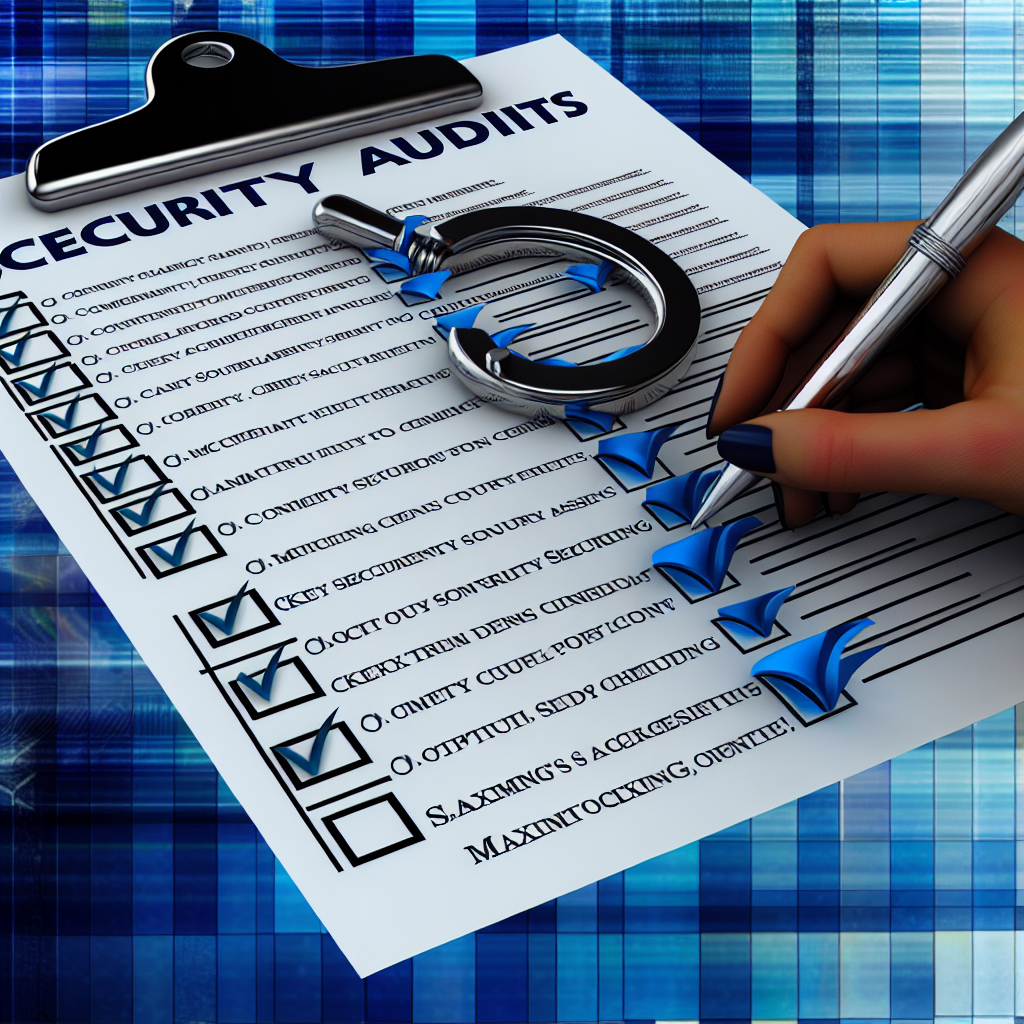
In today’s digital landscape, where data breaches and cybersecurity threats are increasingly common, ensuring compliance with security standards is paramount. Organizations must not only safeguard their sensitive information but also adhere to various regulatory requirements. A thorough security audit can help identify weaknesses in your compliance efforts. This article outlines key checklist items to consider when conducting a security audit to maximize your compliance efforts.
1. Understand Regulatory Requirements
Each industry has specific compliance standards that your organization must meet. Familiarize yourself with regulations such as:
- General Data Protection Regulation (GDPR)
- Health Insurance Portability and Accountability Act (HIPAA)
- Payment Card Industry Data Security Standard (PCI DSS)
- Federal Information Security Management Act (FISMA)
Make a comprehensive list of these requirements and ensure your audit aligns with them.
2. Data Inventory and Classification
Conducting an audit without understanding what data you hold can be futile. Create a complete inventory of your data assets and classify them based on sensitivity and regulatory requirements. Key steps include:
- Identifying all data types (e.g., personal, financial, health).
- Classifying data into categories (e.g., confidential, restricted, public).
- Ensuring protection measures are commensurate with the classification level.
3. Access Control Measures
Effective access control is critical in preventing unauthorized access to sensitive data. Consider the following items in your checklist:
- User Authentication: Ensure robust user authentication mechanisms, such as multi-factor authentication (MFA).
- Role-Based Access Control (RBAC): Implement RBAC to limit access based on the user’s role within the organization.
- Access Review: Regularly review user access levels to ensure they are still appropriate.
4. Security Policies and Procedures
A solid foundation of policies and procedures protects against data breaches and establishes compliance protocols. During your audit, review:
- Data Protection Policies: Ensure policies cover data encryption, backup, and destruction.
- Incident Response Plans: Verify that you have a clear incident response plan in place, outlining roles and responsibilities during a security breach.
- Regular Updates: Ensure that policies are regularly reviewed and updated in response to changes in regulatory requirements or business processes.
5. Staff Training and Awareness
Human error remains one of the leading causes of data breaches. To minimize this risk, it’s vital to prioritize staff training:
- Security Awareness Training: Conduct regular training sessions to educate employees about phishing, password management, and best practices in data handling.
- Testing Awareness: Implement simulated phishing attacks to gauge employee readiness and reinforce learning.
6. Network Security Controls
The integrity of your network infrastructure is integral to maintaining compliance. Checklist items should include:
- Firewalls and Intrusion Detection Systems (IDS): Ensure you have up-to-date firewalls and IDS configured properly.
- Regular Vulnerability Assessments: Conduct periodic vulnerability scans to identify and remediate weaknesses in your network security.
- Patch Management: Establish a rigorous process for managing and applying software patches promptly.
7. Data Encryption
Encryption is a critical component of data protection. Key checklist items include:
- In-Transit Encryption: Ensure data is encrypted during transmission to prevent interception.
- At-Rest Encryption: Verify that sensitive data stored on servers and endpoints is encrypted.
- Encryption Key Management: Maintain effective practices for managing encryption keys.
8. Audit Logs and Monitoring
Continuously monitoring activities within your systems can help detect anomalies and potential breaches. Focus on:
- Log Management: Implement centralized logging for easier review and analysis.
- Monitoring Tools: Utilize security information and event management (SIEM) tools for real-time monitoring.
- Audit Trails: Maintain detailed audit trails to capture access and changes to sensitive data.
9. Vendor Risk Management
Third-party vendors can pose significant risks to compliance. Ensure your audit addresses:
- Third-Party Assessments: Conduct due diligence assessments to evaluate the security posture of vendors who access your data.
- Contractual Obligations: Ensure contracts with vendors include clauses mandating compliance with security standards.
- Regular Reviews: Periodically review vendor performance and compliance with agreements.
10. Continuous Improvement
Compliance is not a one-time effort. Instead, it requires an ongoing commitment to improve practices and policies. After your audit:
- Documentation: Keep comprehensive records of audit findings and remediation activities.
- Feedback Mechanism: Establish a mechanism for collecting feedback on security policies from employees.
- Regular Reassessments: Plan for regular audits to adapt to new threats and regulatory requirements.
Conclusion
A meticulous security audit can significantly enhance your organization’s compliance efforts. By addressing the checklist items outlined, you not only strengthen your security posture but also foster trust with clients, stakeholders, and regulators. Remember, compliance is an ongoing journey, and proactive measures can mitigate risks while ensuring that you remain ahead of potential threats.