
Preparing for Success: A Step-by-Step Guide to Information Security Compliance Audits
December 13, 2025
Continuous Improvement: Leveraging Compliance Audits for Ongoing Security Enhancements
December 15, 2025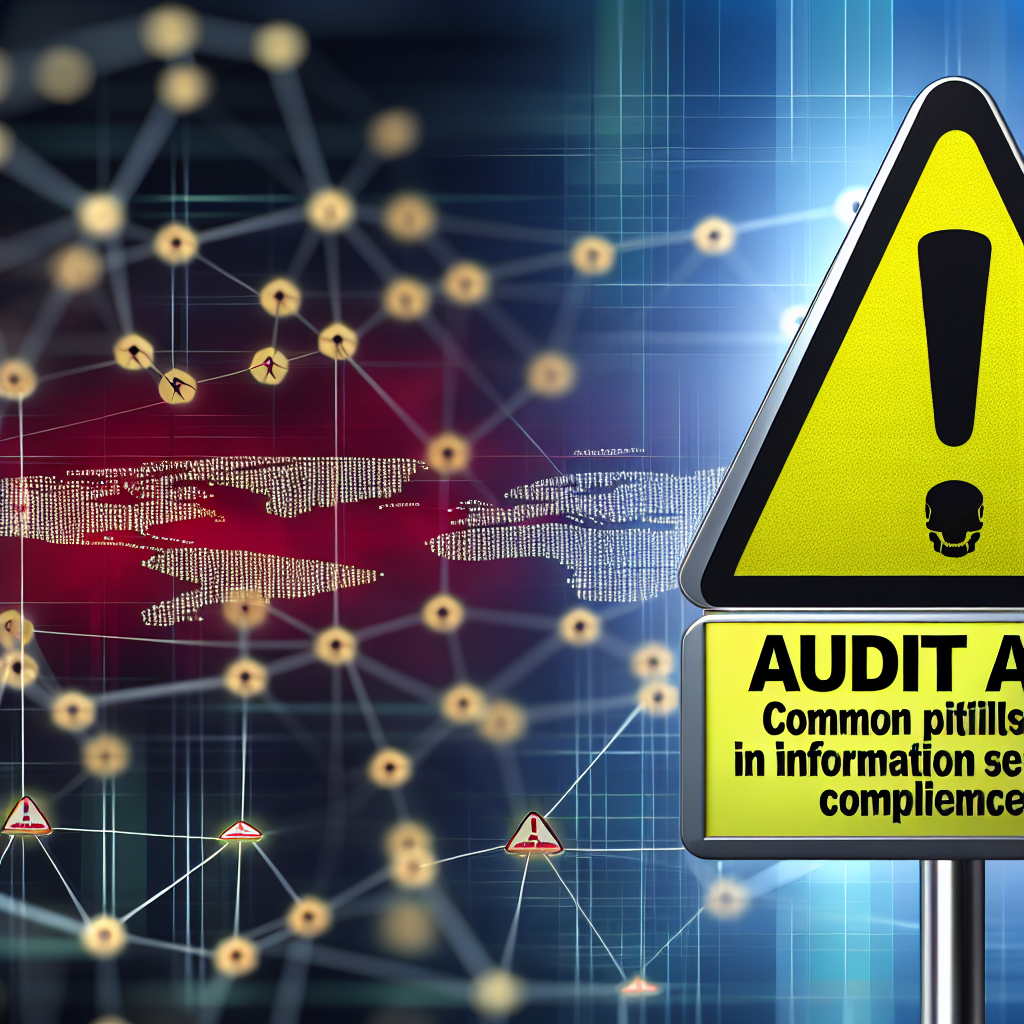
In an era where cyber threats are incessantly evolving, information security compliance has become a critical concern for organizations across various sectors. Maintaining compliance not only helps in protecting sensitive data but also in safeguarding the organization’s reputation and minimizing legal risks. However, navigating the complex landscape of compliance can be fraught with challenges. This article sheds light on common pitfalls organizations often encounter in information security compliance and how to avoid them.
Understanding Information Security Compliance
Information security compliance is the process of ensuring that your organization adheres to established guidelines, regulations, and standards governing the protection of information. This can include frameworks like GDPR, HIPAA, PCI-DSS, and NIST, among others. Successful compliance is about more than just passing audits; it’s about instilling a culture of security throughout the organization.
Common Pitfalls in Information Security Compliance
1. Neglecting Risk Assessment
One of the foundational elements of compliance is understanding the risks associated with your data. Ignoring a comprehensive risk assessment can lead to gaps in your security posture. Regularly evaluating and updating your risk assessments helps in identifying vulnerabilities and aligning your security measures accordingly.
Tip: Conduct thorough and documented risk assessments at regular intervals to ensure continuous compliance and adaptability to new threats.
2. Inadequate Employee Training
Many organizations overlook the importance of training their employees on compliance requirements and best security practices. An uninformed workforce can become the weakest link, exposing the organization to significant risks.
Tip: Implement ongoing training programs tailored to different roles within your organization. Ensure employees understand their responsibilities regarding data protection and incident response.
3. Poor Documentation
Documentation is often seen as a tedious task, but it is essential in maintaining compliance. Insufficient or inconsistent documentation can lead to misinterpretations during an audit and result in compliance failures.
Tip: Develop a documentation management system that tracks policies, procedures, and compliance activities. Ensure that all documentation is regularly updated and easily accessible.
4. Lack of a Response Plan
The absence of an incident response plan can exacerbate the damage during a data breach or security incident. Compliance frameworks often outline the necessity of having a response plan, yet many organizations fail to establish or routinely test them.
Tip: Create a well-defined incident response plan that includes steps for detection, containment, eradication, recovery, and communication. Conduct regular drills to ensure the team is prepared.
5. Ignoring Third-Party Risk
Organizations often underestimate the risks posed by third-party vendors and partners. These external entities can create vulnerabilities within your own compliance framework.
Tip: Conduct thorough due diligence and risk assessments on third-party vendors. Ensure they adhere to the same compliance standards and have robust security measures in place.
6. Over-reliance on Compliance Tools
While automated compliance tools can streamline processes, over-relying on them may lead to a false sense of security. Compliance is not merely about implementing tools; it requires ongoing strategy and human oversight.
Tip: Use compliance tools as a supplement to your overall strategy, not a replacement for human judgment and oversight. Regularly review their effectiveness and integrate them with manual processes where necessary.
7. Failure to Communicate Across Departments
Compliance often involves multiple departments—IT, HR, Legal, and Operations. Insufficient communication can lead to siloed practices that hinder compliance efforts.
Tip: Foster a culture of collaboration across departments. Schedule regular meetings to discuss compliance progress and share insights that can enhance overall security posture.
8. Not Staying Updated with Compliance Regulations
Information security compliance is not static. Regulations frequently change, and failing to stay updated can result in non-compliance.
Tip: Designate a compliance officer or team responsible for monitoring regulatory changes. Subscribe to industry news and participate in relevant forums to stay informed.
Conclusion
Achieving and maintaining information security compliance is a multifaceted endeavor requiring a proactive approach and a holistic strategy. By avoiding these common pitfalls, organizations can strengthen their compliance posture and safeguard against evolving threats. A culture of security awareness, combined with continuous improvement, will not only ensure compliance but also foster resilience in the face of ever-changing cyber risks. Regular audits, assessments, and updates will help ensure that your organization remains compliant and secure in today’s digital landscape.