Audit Alert: Common Pitfalls to Avoid in Information Security Compliance
December 14, 2025
Compliance Audit Trends: What’s New in Information Security Standards?
December 16, 2025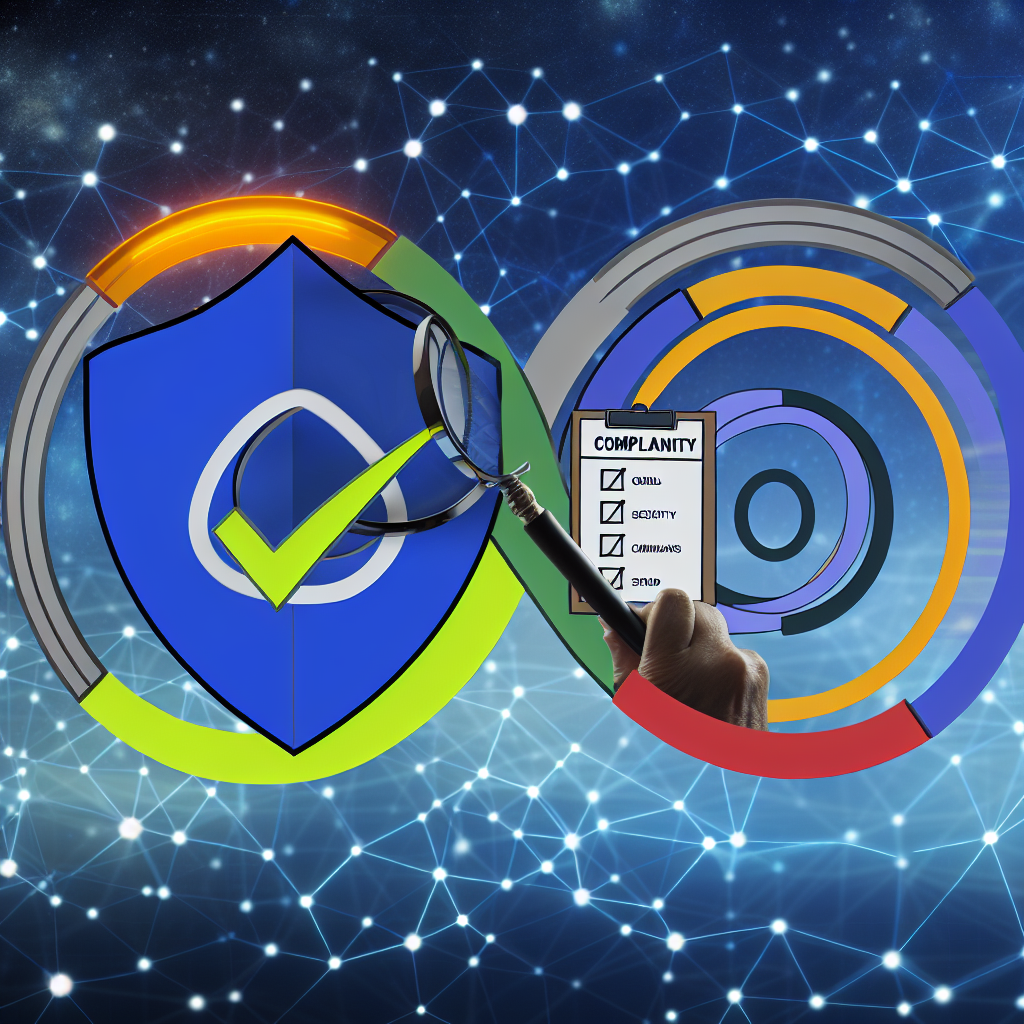
In an era where cyber threats are ever-evolving and regulatory requirements are becoming increasingly stringent, organizations face a dual challenge: maintaining compliance while safeguarding their systems against vulnerabilities. Continuous improvement through the strategic use of compliance audits can provide a powerful framework for enhancing security protocols, aligning processes, and ensuring ongoing compliance.
Understanding Compliance Audits
Compliance audits are systematic evaluations of an organization’s adherence to legal standards, industry regulations, and internal policies. They typically assess aspects such as data protection, privacy policies, financial regulations, and operational practices. In the context of security, these audits help identify gaps in processes and technological defenses that may expose the organization to risks.
The Role of Audits in Security
-
Risk Identification: By examining existing systems and protocols, compliance audits help organizations pinpoint weaknesses that could be exploited by malicious actors. This risk assessment is the first step towards securing assets and data.
-
Benchmarking: Audits establish a baseline of current security postures. Through comparative analysis with industry standards and best practices, they help organizations understand where they stand and what improvements are needed.
- Prioritization: Compliance audits allow organizations to categorize vulnerabilities based on severity and potential impact. This prioritization enables teams to focus their resources on addressing the most critical issues first.
The Continuous Improvement Cycle
To transform audit findings into actionable security enhancements, organizations can adopt the continuous improvement cycle, commonly represented by the Plan-Do-Check-Act (PDCA) model.
1. Plan
This stage involves developing a detailed strategy based on the findings from the compliance audit. Organizations should outline specific security enhancements, assign responsibilities, establish timelines, and allocate resources. Goals should be aligned with both compliance requirements and business objectives.
2. Do
In this phase, organizations implement the planned changes. This may involve:
- Updating security policies and procedures.
- Investing in new technologies or tools to enhance defenses.
- Providing training to staff to ensure adherence to new protocols.
3. Check
Post-implementation, organizations need to evaluate the effectiveness of the measures taken. This involves ongoing monitoring and periodic reassessment of security practices to verify compliance with standards previously set during the planning phase. Data collection and analysis during this phase can reveal whether the vulnerabilities have been adequately addressed.
4. Act
Based on the outcomes from the Check phase, organizations must refine and optimize their practices. If goals are met, they should seek to build on these successes. If not, adjustments should be made to the strategies or controls in place. This phase ensures that the organization evolves its security posture continually, instead of treating compliance as a one-time event.
Integrating Culture of Continuous Improvement
The effectiveness of leveraging compliance audits for ongoing security enhancements greatly relies on embedding a culture of continuous improvement throughout the organization. Here are key strategies to foster such a culture:
-
Leadership Support: Senior management should champion security initiatives, emphasizing their importance to the organization’s overall health and stability.
-
Employee Engagement: Encourage all employees to take ownership of security, promoting a sense of collective responsibility. Regular training and communication can keep security at the forefront of employees’ minds.
- Feedback Loops: Establish systems for staff to provide feedback on security measures. This can facilitate the identification of unwritten gaps or challenges faced during the implementation of new policies.
Conclusion
Continuous improvement through compliance audits is not merely a regulatory requirement but a strategic imperative for modern organizations. By leveraging audit insights to inform security enhancements, organizations can proactively protect themselves against emerging threats while adhering to industry regulations. Ultimately, a robust framework for continuous improvement fosters resilience, adaptability, and a sustainable security posture that evolves alongside the changing landscape of risks and compliance demands. As cyber threats grow more sophisticated, embedding continuous improvement into the compliance audit process can mean the difference between a robust security environment and a reactive, vulnerable organization.