Keeping Ahead of Threats: The Strategic Advantage of Cybersecurity Compliance Audits
December 3, 2025
Feel free to modify these to better fit your article’s tone and focus!
December 5, 2025
In today’s digital landscape, organizations face an ever-evolving array of cyber threats. With financial and reputational risks at stake, ensuring robust cybersecurity measures is essential. One effective way to gauge your organization’s cybersecurity posture is through a compliance audit. This article will outline a comprehensive checklist and guide your preparations for a cybersecurity compliance audit.
Understanding Cybersecurity Compliance
Cybersecurity compliance refers to the adherence to regulatory guidelines and standards designed to protect information systems and sensitive data. Compliance frameworks may include:
- General Data Protection Regulation (GDPR): European legislation on data protection and privacy.
- Health Insurance Portability and Accountability Act (HIPAA): U.S. regulation for the protection of health information.
- Payment Card Industry Data Security Standard (PCI DSS): Standards for companies handling credit card information.
- Federal Information Security Management Act (FISMA): Focused on federal agencies in the U.S.
Each framework has distinct requirements, and most organizations will need to comply with one or more of them depending on their industry and operations.
The Importance of a Cybersecurity Compliance Audit
Conducting a compliance audit serves multiple purposes:
- Risk Identification: It helps uncover vulnerabilities within your systems.
- Regulatory Obligations: Ensures your organization meets industry regulations.
- Confidence Building: Builds trust with clients and partners by demonstrating a commitment to security.
- Operational Improvement: Identifies areas for improvement and promotes better practices.
Cybersecurity Compliance Audit Checklist
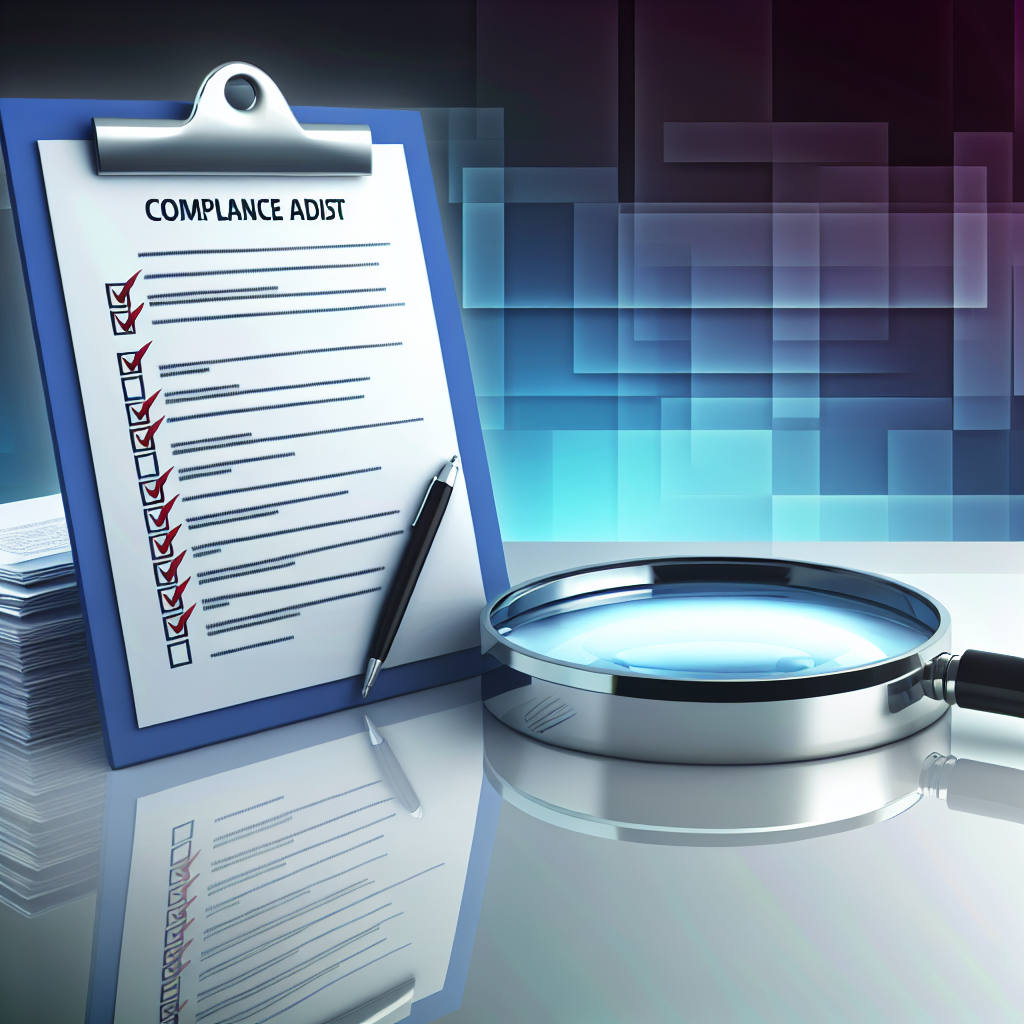
Preparing for a compliance audit can be streamlined by utilizing a detailed checklist. Here’s a breakdown:
1. Inventory of Assets
- Hardware and Software: Maintain an up-to-date inventory of all hardware and software assets.
- Data Classification: Classify data according to sensitivity and regulatory obligations.
2. Policies and Procedures
- Written Policies: Ensure cybersecurity policies are documented, accessible, and regularly reviewed.
- Access Control: Review access control policies to confirm they align with the principle of least privilege.
3. Risk Management
- Risk Assessment: Conduct regular risk assessments to identify potential threats and vulnerabilities.
- Incident Response Plan: Develop and periodically test an incident response plan to address potential breaches.
4. Training and Awareness
- Employee Training: Implement cybersecurity training programs for all employees, including phishing awareness.
- Regular Updates: Schedule regular refreshers and updates to training materials.
5. Data Protection Measures
- Encryption: Ensure sensitive data is encrypted both at rest and in transit.
- Backup Procedures: Regularly back up data and validate the integrity of backups.
6. Network Security
- Firewalls and Intrusion Detection Systems: Ensure robust firewalls and monitoring systems are in place.
- Patch Management: Maintain a schedule for regular updates and patching of software vulnerabilities.
7. Compliance Checks
- Internal Audits: Conduct regular internal audits against compliance frameworks relevant to your organization.
- Third-Party Assessments: Evaluate the cybersecurity practices of third-party vendors and partners.
8. Documentation
- Audit Trail: Maintain logs and records of all IT activities, including access to sensitive data.
- Compliance Documentation: Ensure that evidence of compliance (e.g., reports, assessments, and actions taken) is well documented.
9. Review and Improvements
- Continuous Monitoring: Implement tools for real-time monitoring of security events and incidents.
- Feedback Loop: Create a process for continual feedback and improvement based on audit findings.
Final Thoughts
Preparing for a cybersecurity compliance audit can be daunting, but a thorough checklist can simplify the process. By following these guidelines, you can build a strong foundation for protecting your organization against cyber threats while ensuring adherence to required regulations. Regular audits and ongoing assessments are vital to maintaining a resilient cybersecurity framework and ensuring you are always prepared for any compliance requirements that may emerge in the future.
Take the time to evaluate your current state against this checklist; ensuring you’re adequately prepared can mean the difference between compliance and facing the consequences of a breach. Are you ready to take the next step in securing your organization?