

Avoid Compliance Pitfalls: A Robust Security Audit Checklist for Businesses
November 15, 2025
Maximize Your Compliance Efforts: Key Security Audit Checklist Items to Consider
November 16, 2025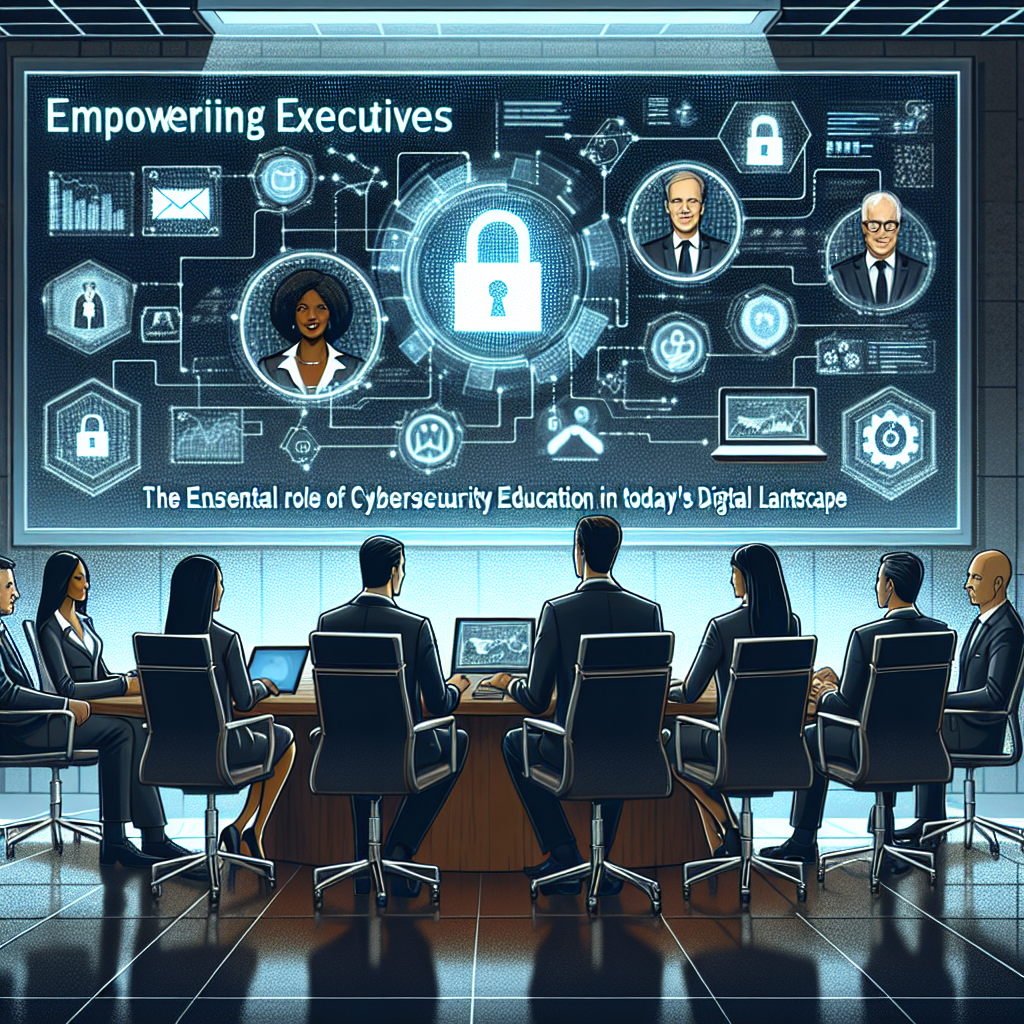
In an era where digital transformation is reshaping industries and economies, the need for robust cybersecurity education has never been more vital, especially for executives. With growing concerns surrounding data breaches, ransomware attacks, and other cyber threats, leaders in organizations must equip themselves with the knowledge and skills to navigate the complex digital landscape. Cybersecurity is not merely an IT issue; it’s a critical business imperative that requires strategic oversight from the highest levels of management.
The Cybersecurity Landscape: Understanding the Threats
As organizations become increasingly reliant on digital technologies, they also become more vulnerable to cyber threats. The landscape of cybersecurity is constantly evolving, with attackers developing sophisticated methods to exploit weaknesses in systems. Ransomware incidents, phishing attacks, and data breaches are just a few examples of the challenges businesses face today.
The repercussions of a cyber incident extend far beyond immediate financial loss. They can erode customer trust, disrupt operations, and damage a company’s reputation. According to a study by IBM, the average cost of a data breach for a business is around $4.24 million, not to mention the long-term effects that could jeopardize future growth. Given these stakes, executives must understand that they play a crucial role in fostering a culture of cybersecurity within their organizations.
The Importance of Cybersecurity Education for Executives
1. Strategic Decision-Making
Executives need a foundational understanding of cybersecurity principles to make informed decisions that align with business objectives. Cybersecurity is intertwined with risk management, compliance, and business continuity. Leaders equipped with this knowledge can create strategic priorities that ensure both the protection of assets and the achievement of organizational goals.
2. Building aCyber-Aware Culture
A robust cybersecurity culture starts at the top. When executives demonstrate a commitment to cybersecurity education, it sets the tone for the entire organization. Empowering employees through training and continuous learning helps to mitigate risks associated with human error, which is often the weakest link in cybersecurity.
3. Compliance and Regulatory Challenges
With increasing regulations surrounding data protection, such as the GDPR in Europe and CCPA in California, executives must be aware of their legal responsibilities concerning cybersecurity. A well-educated leadership team can better navigate compliance requirements, reducing the risk of costly fines and legal trouble.
4. Crisis Management and Incident Response
In the event of a cyber incident, how an organization responds can determine its ability to recover. Executives trained in cybersecurity can lead effective crisis management strategies, ensuring clear communication, accurate assessment of the situation, and swift action. This capability not only protects the organization but also aids in maintaining stakeholder trust.
5. Aligning Cybersecurity with Business Objectives
Cybersecurity should not be seen as a cost center but as a vital component of business strategy. Leaders who understand cybersecurity can better articulate its importance and align it with customer trust, brand integrity, and competitive advantage.
Implementing Cybersecurity Education Programs
To empower executives, organizations should consider practical steps in implementing cybersecurity education programs:
1. Stakeholder Engagement
Involve key stakeholders when designing cybersecurity training. This ensures that the programs are tailored to the specific needs and contexts of different executive roles.
2. Interactive Workshops and Simulations
Hands-on learning experiences, such as simulation exercises and workshops, can help executives better understand real-world scenarios they might face and the implications of different responses.
3. Continuous Learning
Cyber threats are constantly evolving, necessitating ongoing education. Regular updates, refresher courses, and access to the latest research can keep executives informed and prepared to tackle emerging challenges.
4. Partnerships with Experts
Collaborating with cybersecurity firms or educational institutions can provide organizations with the necessary resources and expertise to develop comprehensive training programs that are up-to-date with industry standards.
5. Leadership Involvement
Encourage participation from the leadership team in cybersecurity training initiatives. Active involvement from executives fosters a culture of learning and instills a sense of responsibility across all levels of the organization.
Conclusion
In today’s digital landscape, where cyber threats are omnipresent, empowering executives with cybersecurity education is not just a luxury but a necessity. An educated leadership team can navigate the complexities of cybersecurity, promote a culture of awareness, and ultimately drive business resilience. As organizations continue to innovate and grow, the role of cybersecurity education will be paramount in securing their future. By investing in this critical area, businesses can better protect their assets, maintain customer trust, and achieve their strategic objectives in an increasingly digital world.