
Turning Threats into Opportunities: The Role of Training in a Security Culture
November 11, 2025
Cultural Shifts: Fostering a Proactive Approach to Security in Your Company
November 12, 2025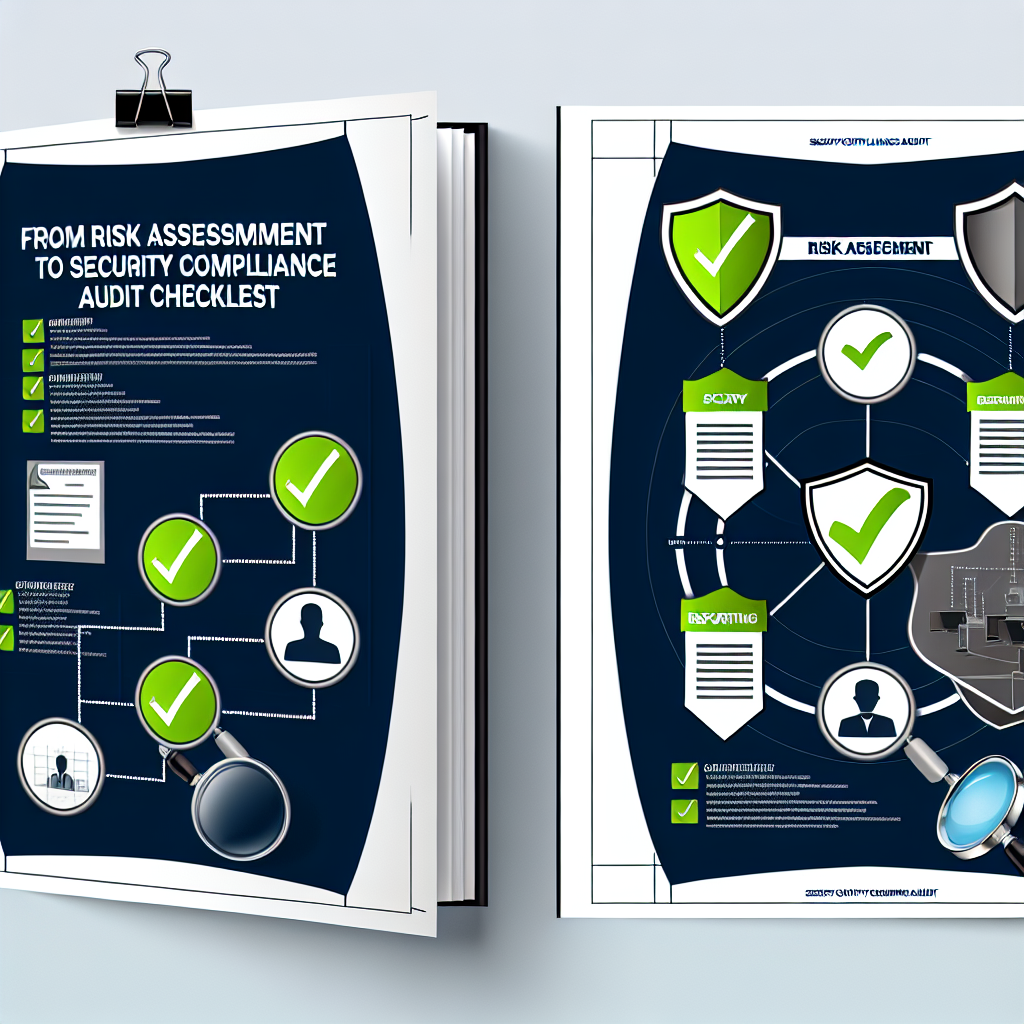
In an increasingly interconnected world, maintaining robust security compliance is vital for any organization. Security compliance audits not only help identify vulnerabilities but also ensure that your organization adheres to necessary regulations and standards. This article outlines a comprehensive checklist, guiding you from risk assessment to reporting.
Understanding Security Compliance Audits
A security compliance audit is a systematic evaluation of an organization’s policies, procedures, and controls concerning security standards and regulations. These audits help organizations:
- Identify Risks: Detect potential vulnerabilities within the system.
- Ensure Compliance: Adhere to industry standards such as GDPR, HIPAA, PCI DSS, and ISO 27001.
- Enhance Security Posture: Strengthen defenses against potential breaches.
- Build Trust: Foster trust with clients and partners by demonstrating a commitment to security.
Step-by-Step Checklist for a Security Compliance Audit
1. Preparation
- Define Standards and Regulations: Identify the relevant regulations that apply to your organization based on the industry.
- Establish Audit Objectives: Determine what you hope to achieve through the audit (e.g., discovering vulnerabilities, ensuring compliance).
- Assemble a Team: Gather a team of qualified individuals, including IT personnel and compliance officers.
- Develop an Audit Plan: Create a timeline and a framework for the audit process.
2. Risk Assessment
- Identify Assets: Document all critical assets including data, hardware, and software.
- Calculate Threat Exposure: Assess potential threats such as cyber-attacks, insider threats, and natural disasters.
- Evaluate Vulnerabilities: Use tools and techniques to identify existing vulnerabilities in your systems and processes.
- Assess Impact and Likelihood: Rate the potential impact of each risk and the likelihood of its occurrence.
- Prioritize Risks: Create a risk matrix to prioritize which vulnerabilities need immediate attention.
3. Documentation Review
- Policies and Procedures: Review existing security policies and procedures for completeness.
- Compliance Requirements: Assess how well policies align with compliance requirements.
- Incident Response Plans: Evaluate how well your incident response procedures are documented and tested.
- Training Records: Check if all employees have received appropriate security training.
4. Technical Controls Assessment
- Network Security: Review firewall configurations, intrusion detection systems, and network segmentation.
- Access Control: Evaluate user access management and authentication practices.
- Data Encryption: Check encryption practices for sensitive data, both at rest and in transit.
- Backup Procedures: Assess data backup solutions and restore testing processes.
- Patch Management: Review patch management processes to ensure timely updates for software.
5. Physical Security Evaluation
- Access Controls: Evaluate physical access controls to your facilities.
- Environmental Controls: Assess environmental protection measures like fire suppression systems and HVAC stability.
- Visitor Management: Review visitor access procedures and tracking systems.
6. Interview Stakeholders
- Engage Key Personnel: Interview staff members to assess their understanding of security policies and practices.
- Gather Feedback: Get insights on potential weaknesses or areas for improvement based on employee experiences.
7. Testing Controls
- Vulnerability Scanning: Use automated tools to identify vulnerabilities in systems.
- Penetration Testing: Conduct regular penetration tests to simulate attacks and measure defenses.
- Social Engineering Tests: Assess employee awareness through social engineering simulations.
8. Reporting
- Compile Findings: Document the results of the audit including identified risks, vulnerabilities, and deficiencies.
- Risk Mitigation Recommendations: Provide actionable recommendations for mitigating identified risks.
- Compliance Status: Clearly state areas of compliance and non-compliance.
- Executive Summary: Create a high-level summary for upper management, emphasizing critical issues.
- Distribution: Share the report with relevant stakeholders, including IT teams, management, and compliance officers.
9. Follow-Up
- Action Plan: Develop an action plan to address findings from the audit with assigned responsibilities and timelines.
- Continuous Monitoring: Implement a continuous monitoring program to track compliance and risk management efforts.
- Regular Review: Schedule regular audits to ensure ongoing compliance and to adapt to changing regulations and threats.
Conclusion
A security compliance audit is not a one-time event, but an ongoing process that should evolve with your organization. By following this comprehensive checklist, you can ensure a thorough and effective audit that enhances your organization’s security posture while ensuring compliance with necessary regulations. Remember, establishing a culture of security awareness across all levels of your organization is key to maintaining compliance and protecting against potential threats.