
Top 5 Benefits of Conducting Regular Information Security Compliance Audits
December 7, 2025
What to Expect During Your First Information Security Compliance Audit
December 9, 2025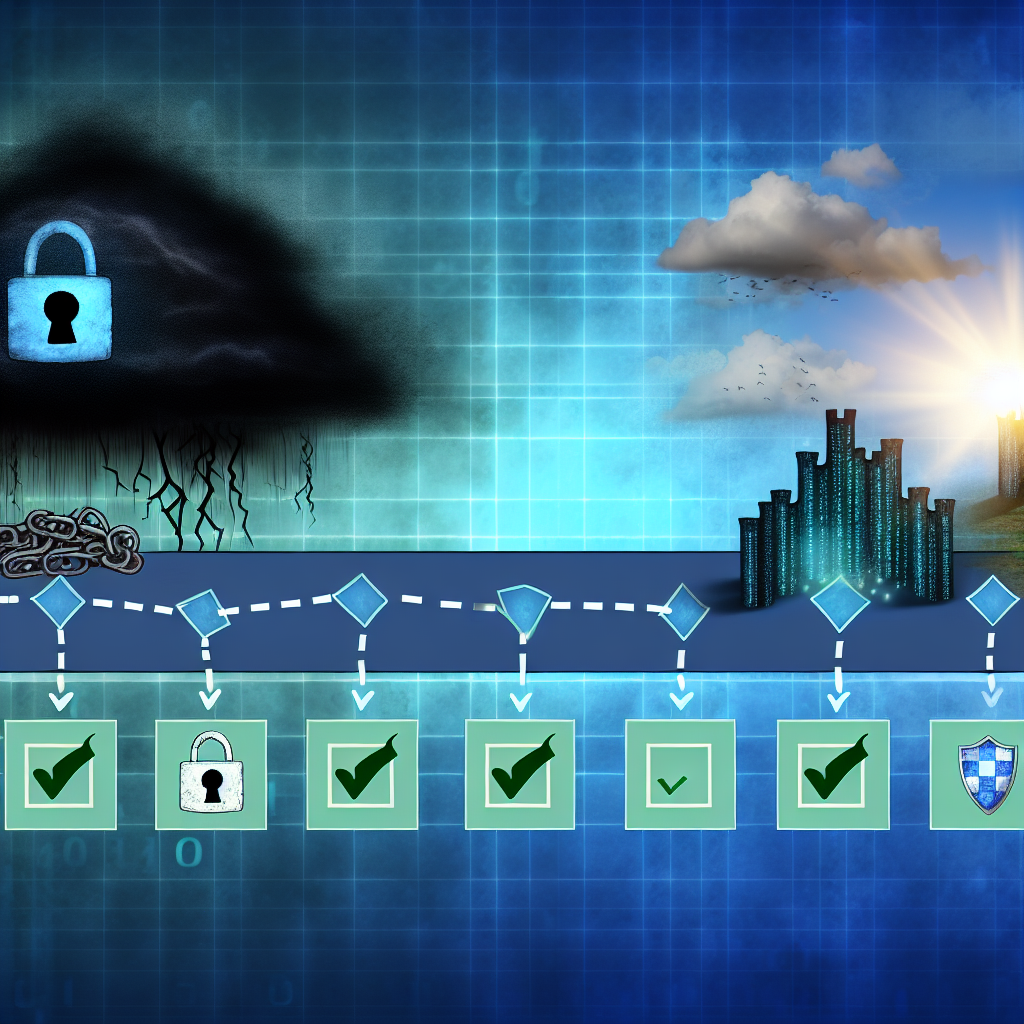
In an ever-evolving digital landscape, the importance of information security cannot be overstated. As organizations increasingly rely on technology to manage operations, the protection of sensitive data has become paramount. With threats ranging from cyberattacks to data breaches, the ability to transition from merely managing risk to fostering resilience is crucial. One key mechanism that supports this transition is compliance audits.
Understanding Compliance Audits
Compliance audits involve systematic evaluations of an organization’s adherence to regulatory standards, internal policies, and industry best practices. Generally conducted by external parties or internal compliance teams, these audits assess the effectiveness of an organization’s information security governance, risk management, and control frameworks.
While audits can seem to function solely as a compliance checkbox or a tool for regulatory adherence, their broader role is integral to an organization’s ability to cultivate resilience.
From Risk Assessment to Risk Management
1. Identifying Vulnerabilities:
Compliance audits facilitate the identification of vulnerabilities and potential points of failure within an organization’s information security framework. By reviewing existing policies and procedures against recognized standards (like ISO 27001 or NIST), auditors can highlight weaknesses that may have gone unnoticed.
2. Prioritizing Risk Mitigation:
Once vulnerabilities are identified, audits assist organizations in prioritizing risk mitigation efforts. By categorizing risks based on severity and potential impact, organizations can allocate resources effectively, ensuring that the most pressing threats are addressed first.
Establishing a Culture of Compliance
1. Promoting Accountability:
Audits foster a culture of accountability within organizations. When employees understand that compliance is regularly assessed and reviewed, they are more likely to take ownership of their roles in maintaining information security.
2. Continuous Improvement:
A compliance audit is not just a snapshot in time; it encourages continuous improvement in security practices. Organizations can establish feedback loops based on audit findings, leading to regular updates of policies and practices that align with emerging threats and regulatory changes.
Bridging the Gap Between Compliance and Resilience
1. Robust Incident Response Planning:
Compliance audits help organizations develop comprehensive incident response plans. These plans are vital for ensuring quick and effective responses to data breaches or security failures. Compliance audits ensure that response plans are not only in place but also tested and refined regularly.
2. Strengthening Communication:
Conducting compliance audits enhances communication within an organization regarding information security. Through formalized processes, departments are often required to collaborate and share insights about data handling, security practices, and risk exposure, fostering a holistic approach to resilience.
Beyond Compliance: Driving Strategic Decisions
1. Informing Strategic Investments:
The insights gained from compliance audits can guide strategic investments in technology and human resources. Organizations can make informed decisions about adopting new tools, hiring additional personnel, or enhancing training programs—all with a view to strengthening their information security posture.
2. Enhancing Stakeholder Confidence:
A robust compliance auditing process enhances trust among various stakeholders, including customers, partners, and regulatory bodies. By demonstrating adherence to information security best practices, organizations can bolster their reputations, demonstrating a commitment to safeguarding sensitive data.
The Path to Resilience
Transitioning from a reactive stance to a proactive approach in information security is essential for resilience. Compliance audits play a crucial role in this transformation. By systematically evaluating compliance, identifying vulnerabilities, and fostering a culture of accountability, organizations can turn potential threats into opportunities for strengthening their security frameworks.
In the face of a rapidly changing threat landscape, compliance audits provide invaluable insights that help organizations not only manage risk effectively but also cultivate a resilient information security culture. As the saying goes, “An ounce of prevention is worth a pound of cure”—and in the realm of information security, this has never been truer.
Conclusion
In conclusion, compliance audits are indispensable in the journey from risk to resilience in information security. They offer a structured approach for identifying weaknesses, fostering accountability, and driving strategic decisions that safeguard against the myriad threats organizations face today. By prioritizing compliance and continuously striving for improvement, organizations can not only secure their data but also position themselves for sustainable success in the digital age.