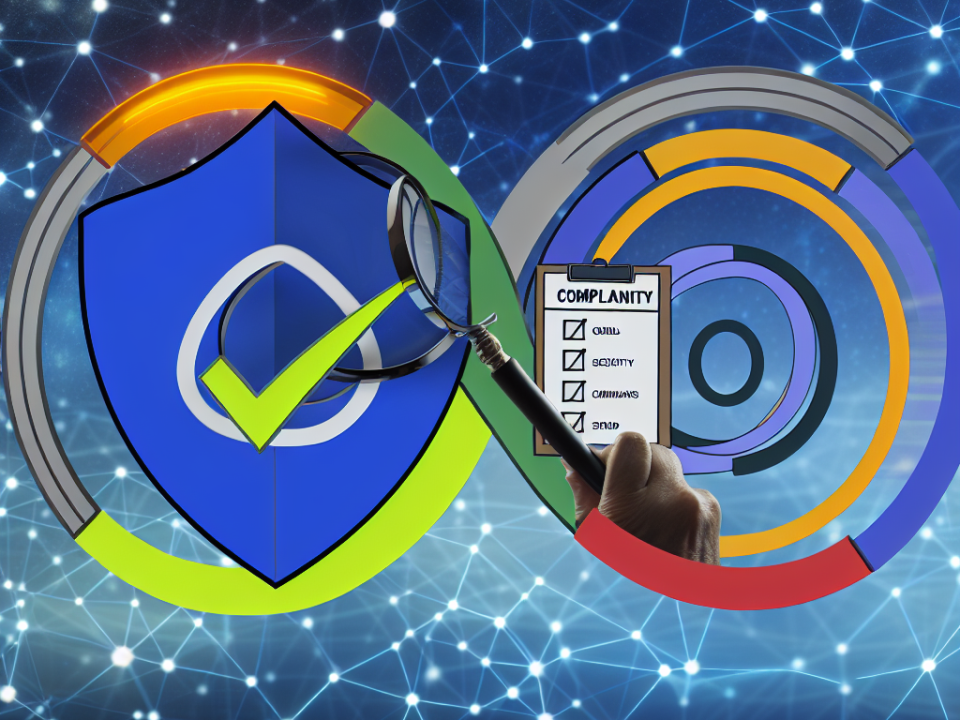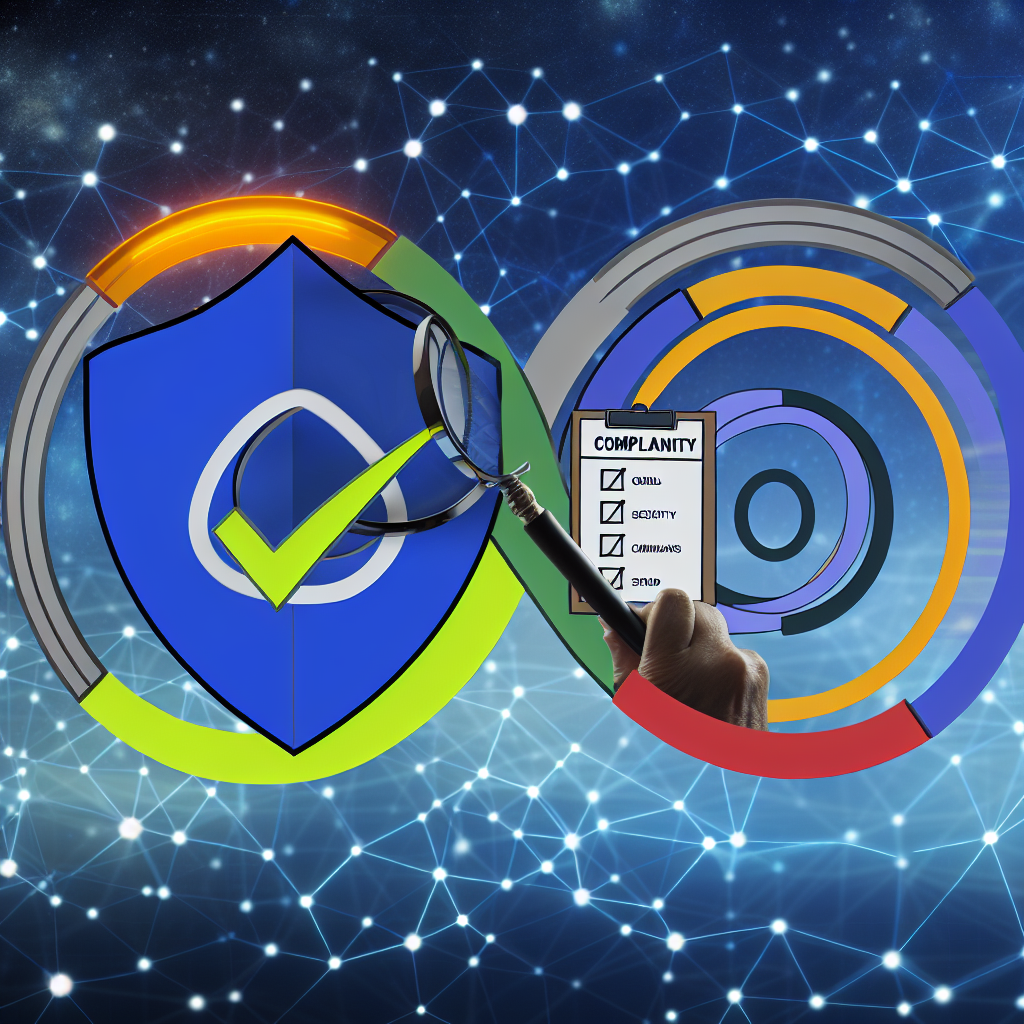

Building a Culture of Compliance: Strategies for Successful Cybersecurity Audits
December 2, 2025
Cybersecurity Compliance Audit Checklist: Are You Prepared?
December 4, 2025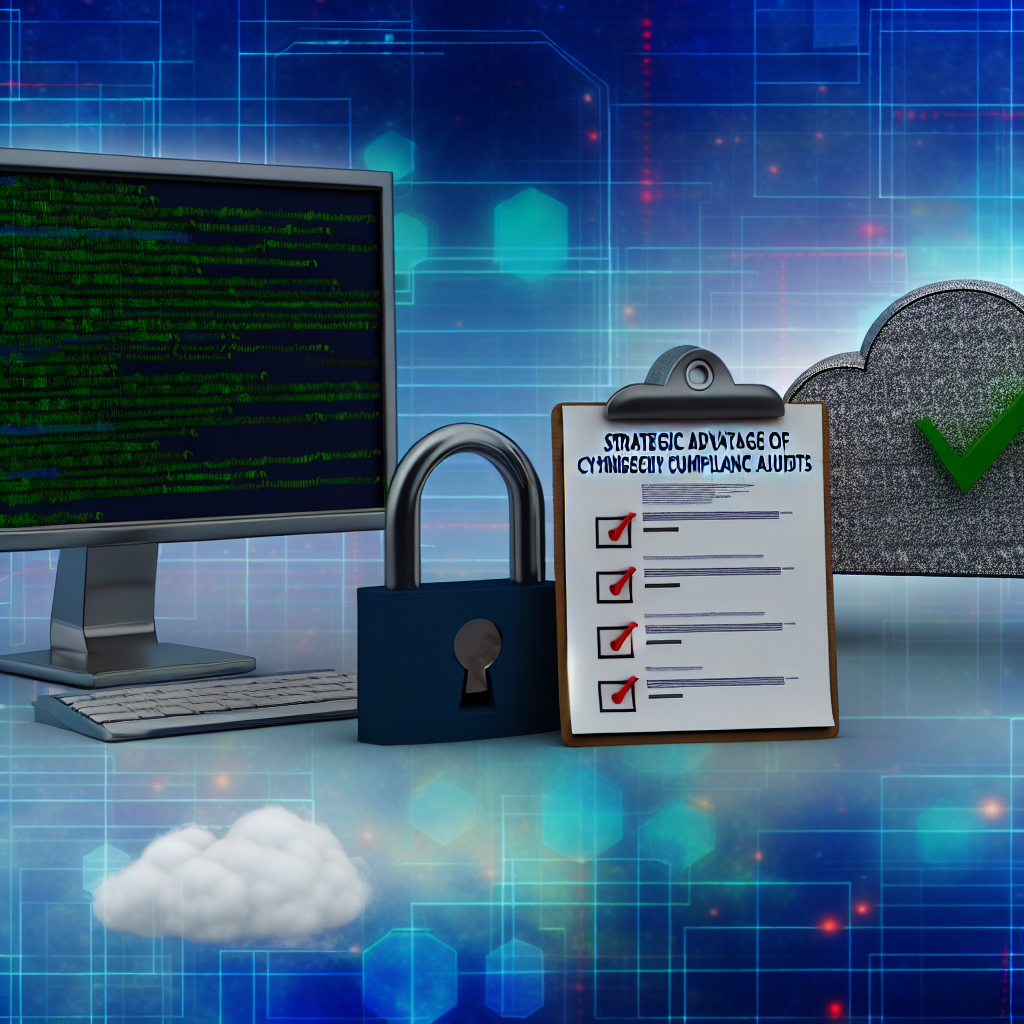
In an era where digital threats are more pervasive and sophisticated than ever, organizations are increasingly recognizing the critical importance of cybersecurity. The consequences of data breaches are not only financial but can also cause lasting damage to a company’s reputation and customer trust. One effective strategy for mitigating these risks is through regular cybersecurity compliance audits. These audits not only ensure adherence to regulatory standards but also serve as a strategic advantage in staying ahead of potential threats.
Understanding Cybersecurity Compliance Audits
A cybersecurity compliance audit is a systematic evaluation of an organization’s adherence to established standards and regulations regarding data security. These standards are often dictated by industry-specific regulations, such as the Health Insurance Portability and Accountability Act (HIPAA) for healthcare providers, Payment Card Industry Data Security Standard (PCI DSS) for companies handling credit cards, and the General Data Protection Regulation (GDPR) in Europe.
The audit process typically involves:
- Assessment of Current Policies: Evaluating existing cybersecurity measures and policies to determine if they meet compliance standards.
- Risk Assessment: Identifying vulnerabilities that could be exploited by cybercriminals.
- Interviews and Surveys: Gathering insights from employees about their understanding of cybersecurity protocols.
- Testing and Monitoring: Conducting tests to assess the effectiveness of security measures.
The Strategic Advantages of Regular Audits
1. Proactive Threat Identification
One of the most compelling benefits of cybersecurity compliance audits is their ability to identify potential vulnerabilities before they can be exploited. The landscape of cyber threats is always evolving, and regular audits ensure that organizations remain aware of their security posture, adapting and strengthening measures to counteract new risks.
2. Enhanced Regulatory Compliance
Regulatory compliance is not just a legal requirement; it’s also a fundamental component of operational integrity. Non-compliance can result in heavy fines and sanctions, as well as increased scrutiny from regulators. Regular audits help organizations stay compliant with changing laws and standards, thereby reducing the likelihood of facing penalties.
3. Building Customer Trust
Consumers today are increasingly concerned about data privacy and security. A commitment to cybersecurity compliance demonstrates to clients and partners that an organization takes these concerns seriously. Effective audits and resulting improvements can enhance customer trust, often leading to increased loyalty and sales.
4. Continuous Improvement in Security Posture
Cybersecurity is not a one-time effort but a continuous journey. Regular audits provide organizations with a consistent feedback loop, revealing areas where the organization’s security measures are lacking. By making compliance audits a part of the cybersecurity strategy, companies can foster a culture of continuous improvement.
5. Effective Resource Allocation
Audits can help identify which areas of the organization are most vulnerable or at risk, allowing for more effective allocation of resources. Organizations can prioritize their budgets for cybersecurity measures based on the findings of an audit, ensuring that investments yield the highest return in terms of risk mitigation.
6. Informed Decision-Making
The insights gathered from compliance audits can support strategic decision-making at the highest levels. With a clear understanding of security risks and the effectiveness of current measures, leadership can make informed choices about future investments in technology or training, ultimately shaping the organization’s strategic direction.
Conclusion
As cyber threats continue to evolve, the necessity for robust cybersecurity practices can no longer be understated. Cybersecurity compliance audits are not merely about ticking boxes; they represent a strategic advantage for organizations seeking to safeguard their assets, comply with regulations, and build trust with customers. By prioritizing regular audits, businesses can ensure that they are not only meeting compliance requirements but also actively enhancing their cybersecurity posture and resilience against existing and emerging threats. In a landscape where the cost of a breach can be devastating, intelligent and proactive cybersecurity practices are imperative for success.