
Feel free to modify these to better fit your article’s tone and focus!
December 5, 2025
Top 5 Benefits of Conducting Regular Information Security Compliance Audits
December 7, 2025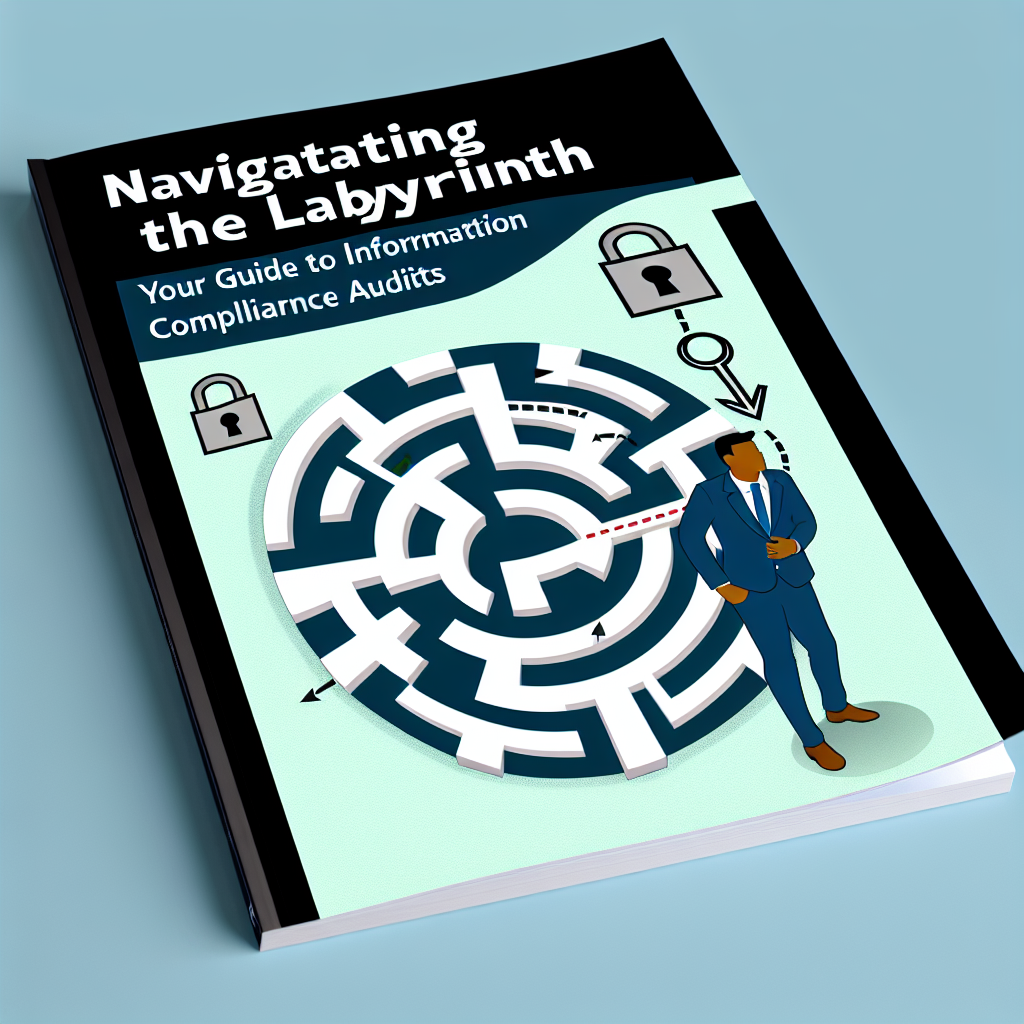
In today’s increasingly digital landscape, information security compliance has become a necessity for businesses of all sizes. The threats posed by cyberattacks, data breaches, and regulatory scrutiny continue to grow, making information security more than just an IT responsibility; it is now a pivotal component of an organization’s overall strategy. One of the critical aspects of information security is compliance audits, which serve to ensure that organizations meet various legal, regulatory, and industry standards. This article serves as your guide to navigating the labyrinth of information security compliance audits.
Understanding Information Security Compliance
Information security compliance refers to adhering to laws, regulations, and standards set forth to protect sensitive data. These may include regulations like the General Data Protection Regulation (GDPR), the Health Insurance Portability and Accountability Act (HIPAA), and industry standards such as the Payment Card Industry Data Security Standard (PCI DSS). Non-compliance can result in severe consequences, including heavy fines, loss of reputation, and legal repercussions.
Why Compliance Audits Are Crucial
Compliance audits are systematic examinations of an organization’s adherence to these standards. They play a pivotal role in identifying vulnerabilities in information security systems and processes. By conducting regular audits, organizations can:
-
Identify Vulnerabilities: Audits help to uncover weaknesses before they can be exploited by adversaries.
-
Enhance Data Protection: By ensuring compliance with regulations, organizations can better protect sensitive data and instill customer trust.
-
Stay Ahead of Legal Requirements: Regulating bodies frequently update compliance requirements, and audits help organizations keep pace.
- Improve Operational Efficiency: The audit process often reveals inefficiencies that can be streamlined.
The Audit Process: Step-by-Step
Step 1: Preparation
Preparation is crucial for a successful audit. This phase entails:
-
Defining Scope: Decide which regulations, standards, or frameworks apply to your organization.
-
Identifying Stakeholders: Involve relevant departments like IT, HR, and legal to ensure a comprehensive approach.
- Documentation Review: Gather existing policies, procedures, and previous audit reports.
Step 2: Risk Assessment
Conduct a risk assessment to identify potential threats and vulnerabilities within your organization. This will not only help in the audit but also allow you to prioritize areas needing immediate attention.
Step 3: Conducting the Audit
The audit itself can be performed in several ways:
-
Internal Audits: These are conducted by your organization and can be scheduled regularly.
-
External Audits: Third-party auditors bring an unbiased perspective and specialized expertise.
- Automated Audits: Utilizing compliance software can streamline the process, enabling real-time monitoring.
Step 4: Reporting Findings
Once the audit is complete, the next step is to compile a report detailing the findings:
-
Identify Non-compliance Areas: Point out specific instances where the organization has failed to adhere to regulations.
- Provide Recommendations: Offer actionable steps for rectifying issues and achieving compliance.
Step 5: Remediation and Follow-Up
Post-audit, organizations must take immediate action to address identified issues:
-
Implement Changes: Execute improvements based on audit recommendations.
-
Continuous Monitoring: Establish ongoing monitoring mechanisms to ensure compliance is sustained.
- Schedule Follow-Up Audits: Regular audits, whether internal or external, help maintain compliance over time.
Best Practices for Successful Compliance Audits
-
Involve Everyone: Foster a culture of compliance across the entire organization, not just IT.
-
Invest in Training: Regular cybersecurity training can help employees understand the importance of compliance.
-
Leverage Technology: Use compliance management tools to stay organized and efficient.
-
Stay Updated: Continuously monitor changes in regulations and adapt accordingly.
- Document Everything: Maintain clear records of compliance efforts, audits, and remediation actions for future reference.
Conclusion
Navigating the labyrinth of information security compliance audits may seem daunting, but with careful planning, thorough preparation, and a commitment to continuous improvement, organizations can successfully manage this critical process. By prioritizing compliance, not only can businesses mitigate risks and avoid penalties, but they can also foster a culture of security that ultimately enhances stakeholder trust. As the threats in the digital landscape evolve, so too must our approaches to securing sensitive information—and compliance audits are an essential part of that journey.