
Mastering Cybersecurity: A Roadmap for Executives Seeking to Strengthen Their Organizations
November 21, 2025
The Cybersecurity Skills Gap: Why Executives Must Lead the Charge
November 22, 2025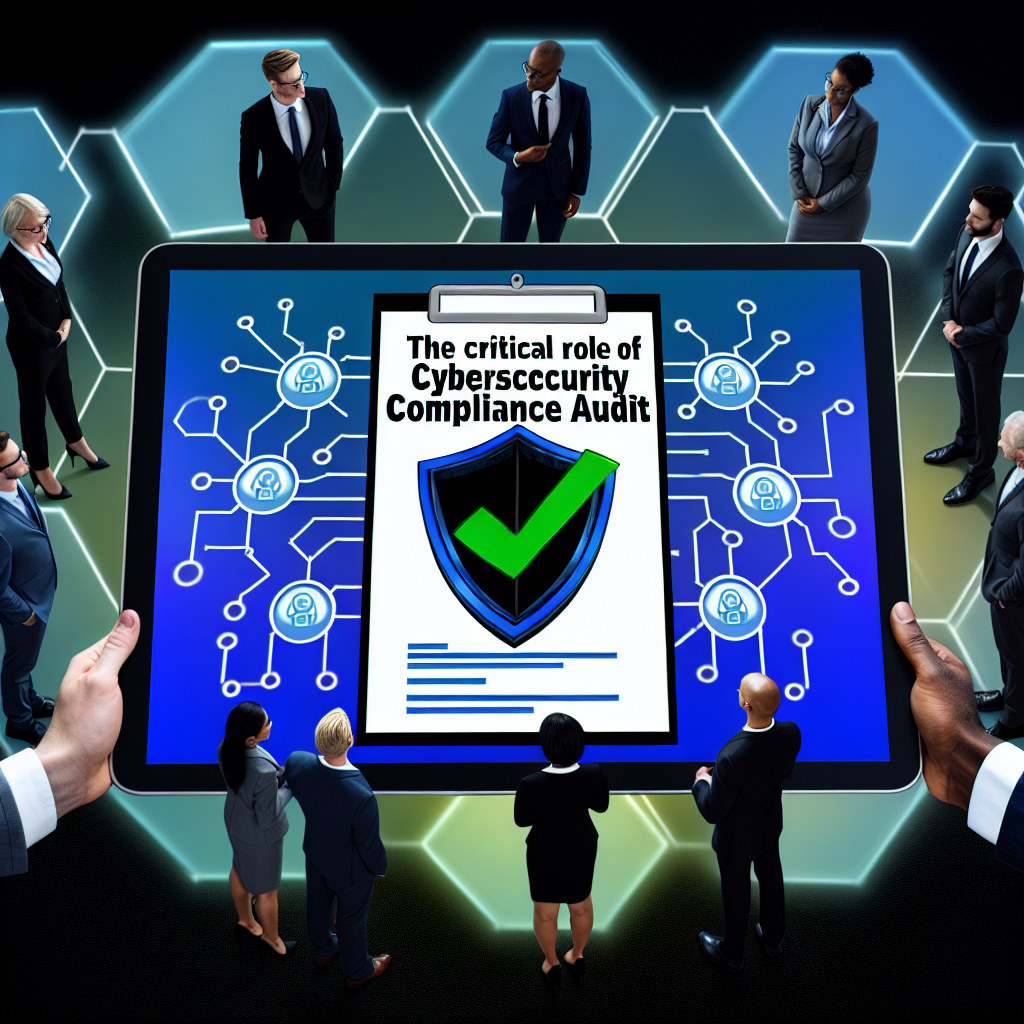
In today’s digital landscape, where data breaches and cyberattacks have become alarmingly common, the importance of robust cybersecurity measures cannot be overstated. Businesses, regardless of their size or industry, face constant threats to their information assets. One of the most effective ways to safeguard your organization against these threats is through rigorous cybersecurity compliance audits. This article will explore the essential role of these audits in protecting your business.
Understanding Cybersecurity Compliance Audits
A cybersecurity compliance audit is a comprehensive assessment of an organization’s adherence to established regulations, standards, and best practices related to information security. These audits evaluate how well a company manages its data protection policies and practices, ensuring compliance with legal and regulatory requirements such as the General Data Protection Regulation (GDPR), Health Insurance Portability and Accountability Act (HIPAA), and Payment Card Industry Data Security Standard (PCI DSS).
The Importance of Cybersecurity Compliance Audits
1. Identifying Vulnerabilities
One of the primary benefits of cybersecurity compliance audits is their ability to identify vulnerabilities in an organization’s system. Through a systematic examination of processes, technologies, and policies, auditors can pinpoint potential risks before they become major issues. This proactive approach allows businesses to implement corrective measures, thus fortifying their defenses against cyber threats.
2. Ensuring Regulatory Compliance
Many industries are subject to strict regulations regarding data protection and privacy. Non-compliance can result in hefty fines, legal penalties, and reputational damage. Cybersecurity compliance audits ensure that your business meets the necessary legal requirements, helping to mitigate the risk of non-compliance. This not only protects your organization but also builds trust with clients and stakeholders.
3. Enhancing Trust and Reputation
In an age where customers are increasingly concerned about their data privacy, demonstrating a commitment to cybersecurity can significantly enhance an organization’s reputation. Regular compliance audits showcase a business’s dedication to maintaining high security standards, thereby boosting trust among customers and potential clients. This trusted relationship is vital for long-term success and customer retention.
4. Improving Incident Response Plans
Cybersecurity compliance audits often evaluate an organization’s incident response plans. Ensuring these plans are robust and regularly updated is essential for minimizing the impact of potential security breaches. By identifying gaps in response strategies, audits help organizations prepare for and respond effectively to incidents, thus reducing recovery time and costs.
5. Facilitating Continuous Improvement
Cybersecurity is not a one-time effort but an ongoing process. Regular audits provide organizations with insights into their evolving security landscape and emerging threats. This continuous feedback loop enables businesses to adapt and improve their cybersecurity measures, ensuring they remain resilient against new and sophisticated attacks.
Steps to Conduct a Cybersecurity Compliance Audit
-
Define Scope and Objectives: Clearly outline what will be covered in the audit, including the specific regulations or standards applicable to your organization.
-
Gather Documentation: Collect all relevant policies, procedures, and records related to your cybersecurity practices.
-
Conduct Risk Assessment: Assess existing risks and vulnerabilities to understand the potential impact on your business.
-
Evaluate Compliance: Compare current practices against established regulations and best practices to identify gaps.
-
Generate Audit Report: Summarize findings, including areas of non-compliance, strengths, and recommendations for improvement.
-
Implement Corrective Measures: Address identified issues promptly and update policies as necessary.
- Follow Up: Schedule regular audits to ensure ongoing compliance and improvement.
Conclusion
In an era where cyber threats are omnipresent, cybersecurity compliance audits are not just a regulatory requirement; they are a critical component of a comprehensive security strategy. By identifying vulnerabilities, ensuring regulatory adherence, building trust, and enhancing incident response, these audits play a pivotal role in protecting your business’s assets and reputation. Investing in regular cybersecurity compliance audits is not merely a safeguard—it’s a strategic move to ensure your organization remains secure and competitive in a digital world fraught with uncertainty.