
Internal vs. External Audits: Which Approach Is Best for Your Information Security?
December 19, 2025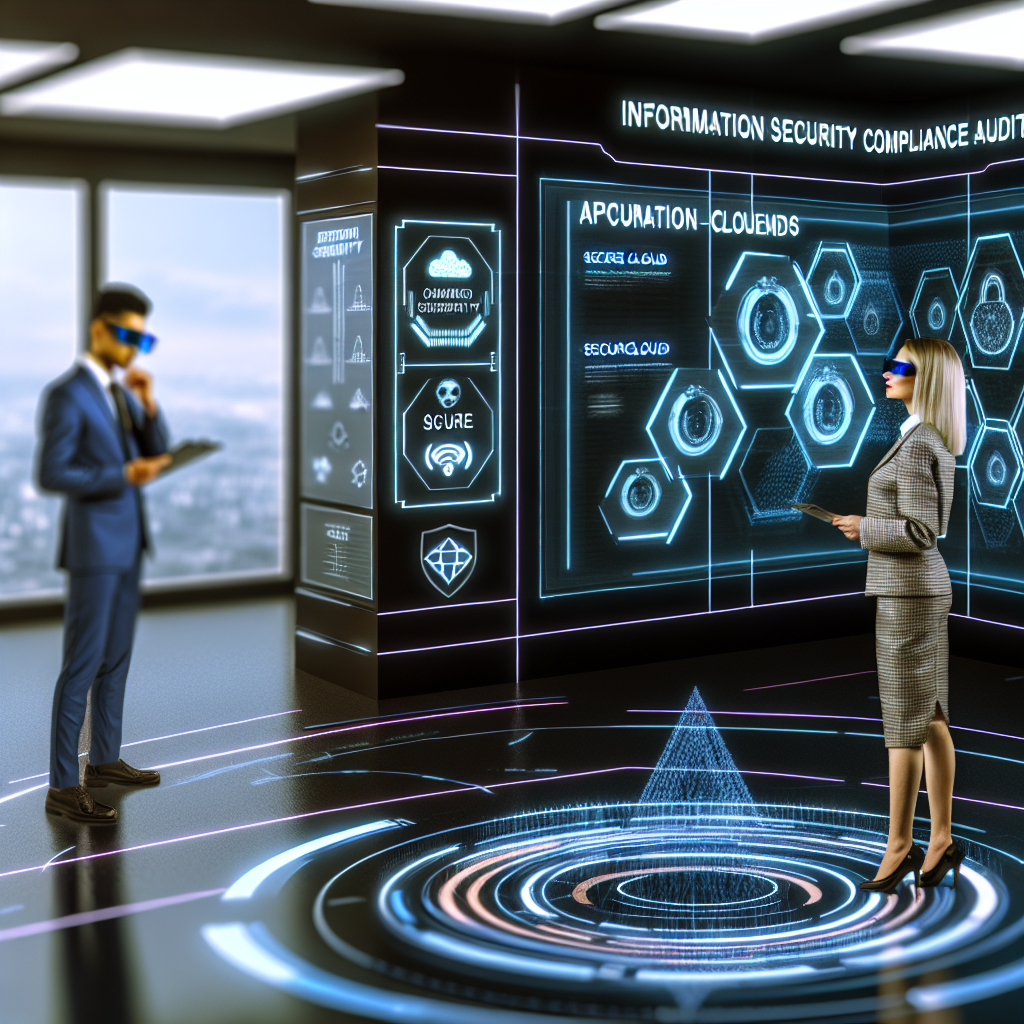
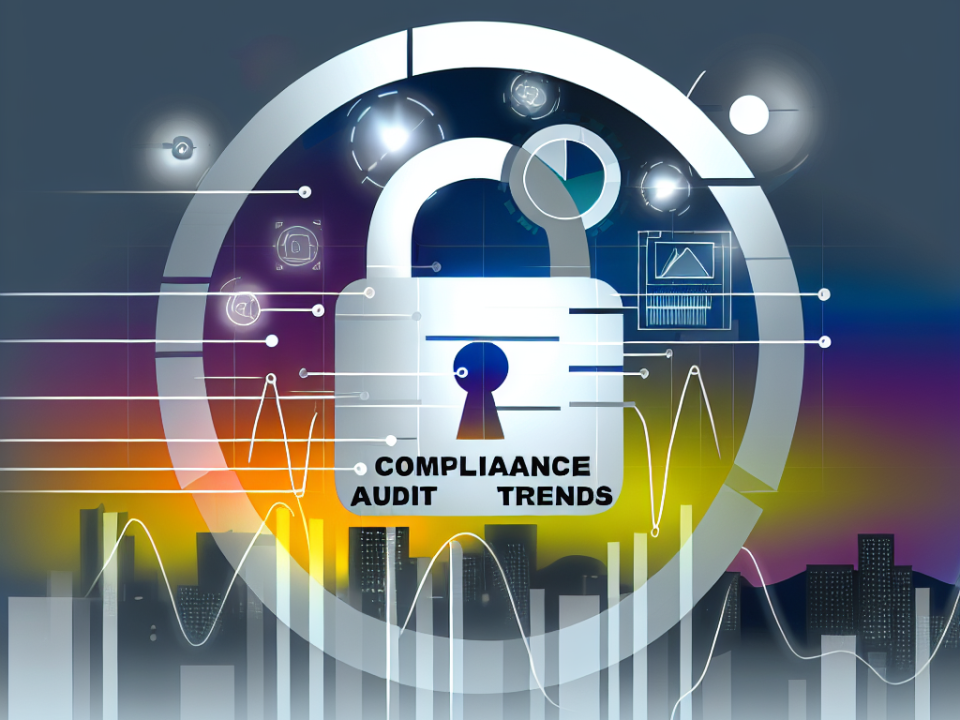
As the landscape of digital information continues to evolve, so too does the realm of information security compliance audits. These audits are essential for organizations striving to protect sensitive data, meet regulatory standards, and maintain stakeholder trust. With advances in technology and the ever-increasing sophistication of cyber threats, the future of compliance audits is poised for significant transformation. Here are some key trends to watch.
1. Increased Automation
Automation is making waves across numerous industries, and information security compliance audits are no exception. Leveraging artificial intelligence and machine learning, organizations are beginning to automate routine audit tasks, such as risk assessment and vulnerability scanning. This can lead to more efficient, accurate audits, allowing compliance professionals to focus their efforts on strategic decision-making and addressing complex security issues.
2. Shift to Continuous Compliance
Traditional compliance audits often occur on an annual or bi-annual basis, which can leave gaps in an organization’s security posture. The future will likely see a shift towards continuous compliance, where organizations implement real-time monitoring and assessment of their security measures. Continuous compliance encourages a proactive approach to information security, enabling organizations to respond to threats and regulatory changes as they happen.
3. Emphasis on Data Privacy Regulations
As data breaches become more frequent and severe, data privacy regulations are tightening globally. Complying with frameworks such as the General Data Protection Regulation (GDPR) in Europe and the California Consumer Privacy Act (CCPA) in the U.S. will require organizations to conduct more thorough and specialized audits. The focus on privacy will shape how compliance auditors evaluate practices, making data handling processes a significant part of audit assessment criteria.
4. Integration of Risk Management Frameworks
The convergence of compliance and risk management frameworks will become increasingly prominent. Instead of viewing compliance audits as standalone events, organizations will integrate them into broader risk management strategies. This holistic approach fosters a better understanding of how compliance activities contribute to overall risk mitigation, allowing businesses to cultivate a culture of security and compliance throughout their operations.
5. Embracing Cloud Security Solutions
With the migration to cloud technologies accelerating, compliance audits will need to adapt to cover cloud security measures comprehensively. Organizations will need to assess their cloud service providers (CSPs) to ensure they meet compliance standards, focusing on shared responsibility and transparency in security practices. The proliferation of multi-cloud environments also necessitates a comprehensive approach to audit processes, demanding flexibility and adaptability from compliance teams.
6. Focus on Cybersecurity Frameworks
The implementation of cybersecurity frameworks—such as the National Institute of Standards and Technology (NIST) Cybersecurity Framework—will be indispensable for navigating compliance audits in the future. These frameworks will guide organizations in aligning their security practices with compliance requirements, enabling a structured approach to audits that emphasizes cybersecurity as a foundational element in the compliance landscape.
7. Skills and Workforce Development
As the compliance landscape evolves, so too will the skill sets required for compliance professionals. The future will necessitate a blend of technical knowledge, data analytics, and soft skills such as communication and teamwork. Organizations will need to invest in training and development to equip their workforce with the competencies necessary to adapt to the changing environment of information security compliance audits.
8. Enhanced Collaboration between Auditors and IT Teams
Traditionally, compliance auditors and IT security teams may have operated separately within organizations. As the complexity of compliance requirements grows, collaboration between these groups will become crucial. A cooperative approach can ensure auditors are well-versed in technical controls, while IT teams can gain a better understanding of compliance obligations, resulting in more effective security and audit outcomes.
Conclusion
The future of information security compliance audits is characterized by rapid change and adaptation. Organizations must embrace these trends to safeguard their data effectively and meet regulatory demands. By recognizing the importance of automation, continuous compliance, and cross-departmental collaboration, businesses can foster a robust security culture that stands resilient against evolving threats. As we step into this new era, staying ahead of these trends will be vital for compliance professionals seeking to protect their organizations and maintain compliance in an increasingly complex digital world.