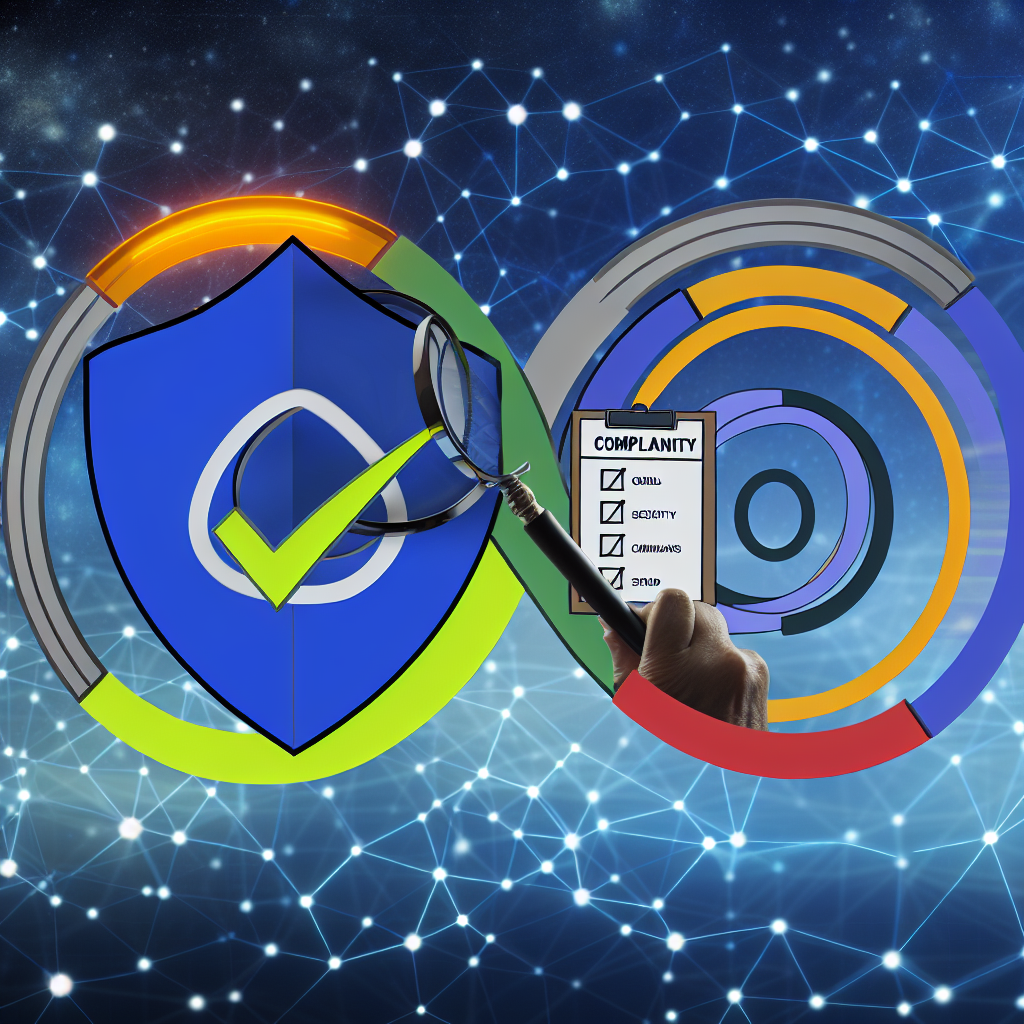

Case Study: How a Successful Compliance Audit Transformed Our Security Posture
December 17, 2025
Internal vs. External Audits: Which Approach Is Best for Your Information Security?
December 19, 2025
In today’s digital landscape, information security has never been more critical. Organizations across various sectors are striving to protect sensitive data and ensure robust information governance. One of the most recognized frameworks in this regard is the ISO 27001 standard, which outlines the requirements for establishing, implementing, maintaining, and continually improving an information security management system (ISMS). This article will provide a comprehensive overview of the ISO 27001 compliance audit process, discussing its significance, phases, and what organizations can expect.
What is ISO 27001?
ISO 27001 is an international standard for information security management systems. It offers a systematic approach for managing sensitive company information, ensuring its confidentiality, integrity, and availability. Achieving ISO 27001 certification not only demonstrates an organization’s commitment to protecting data but also enhances organizational credibility and customer trust.
The Importance of the ISO 27001 Compliance Audit
The ISO 27001 compliance audit is a crucial step in the certification process. It helps organizations verify that their ISMS meets the standard’s requirements and is functioning effectively. The audit serves multiple purposes:
- Risk Management: Identifies and assesses information security risks.
- Compliance Verification: Ensures adherence to legal and regulatory requirements.
- Continuous Improvement: Identifies areas for improvement in the ISMS.
Phases of the ISO 27001 Compliance Audit Process
The ISO 27001 compliance audit process typically involves several phases. Here’s a breakdown of these stages:
1. Preparation
Before the audit, thorough preparation is essential. This includes:
- Defining Scope: Establishing what parts of the organization will be audited.
- Selecting Auditors: Choosing a team of qualified auditors familiar with ISO 27001.
- Gathering Documentation: Collecting relevant policies, procedures, records, and other documentation related to the ISMS.
2. Stage 1 Audit
The first stage of the audit is often referred to as the "readiness review." The auditors will:
- Review the ISMS Documentation: Check whether the documentation meets ISO requirements.
- Evaluate Implementation: Assess whether the ISMS has been implemented according to the documented processes.
The outcome of the Stage 1 audit is typically a report that highlights any non-conformities or areas that require further attention before proceeding to Stage 2.
3. Stage 2 Audit
The Stage 2 audit is more in-depth, focusing on the actual implementation of the ISMS. It includes:
- Interviews with Personnel: Engaging with key staff to understand their roles and responsibilities concerning the ISMS.
- Observational Assessments: Observing processes and practices in action.
- Evidence Gathering: Collecting records and other evidence that demonstrate compliance with ISO 27001.
The auditor then prepares a detailed report, outlining findings, non-conformities if any, and recommendations.
4. Closing Meeting
After the Stage 2 audit, a closing meeting is held with management to discuss the findings. This meeting is vital as it allows for immediate feedback and clarification on any observed issues.
5. Corrective Action Plan
If any non-conformities are identified during the audit, the organization will need to develop a corrective action plan. This plan outlines how the organization intends to address each issue, including timelines for completion.
6. Final Audit Report
Following the completion of corrective actions, the auditors will review the organization’s efforts and issue a final audit report. If everything is satisfactory, the organization can achieve ISO 27001 certification.
7. Surveillance Audits
Once certified, organizations must undergo periodic surveillance audits to maintain their status. These audits ensure ongoing compliance and that the ISMS remains effective in the face of evolving threats and changes within the organization.
Key Considerations for a Successful Audit
- Top Management Commitment: Leadership must actively support and participate in the ISMS.
- Employee Awareness and Training: Ensure all employees understand their roles in information security.
- Regular Updates and Improvements: The ISMS should evolve to respond to new risks and business changes.
Conclusion
Achieving ISO 27001 certification through a comprehensive audit process enhances an organization’s ability to manage information security effectively. It not only proves compliance with international standards but also instills confidence among stakeholders. By understanding each phase of the audit process and preparing adequately, organizations can navigate their compliance journey efficiently, ensuring their information assets are secure against an ever-changing threat landscape. Implementing ISO 27001 is not just about achieving certification; it is about fostering a culture of security that drives long-term success.