
From Risk to Resilience: The Role of Compliance Audits in Information Security
December 8, 2025
Beyond the Checklist: How to Make Your Compliance Audit Truly Effective
December 10, 2025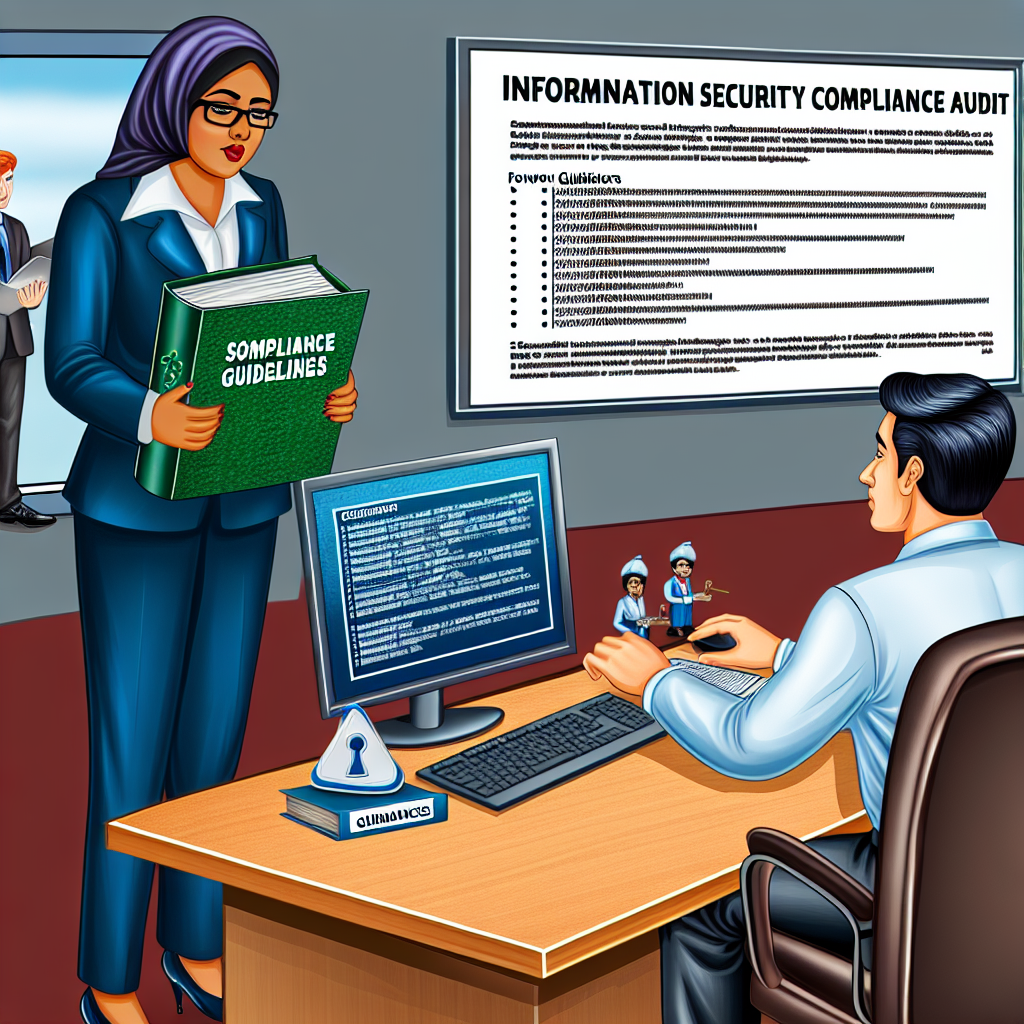
Navigating the labyrinth of information security can be daunting for organizations, especially when preparing for a compliance audit. Whether your business is subject to regulations like GDPR, HIPAA, ISO 27001, or PCI DSS, understanding the audit process is crucial. Here’s a comprehensive guide on what to expect during your first information security compliance audit.
1. Understanding the Purpose of an Audit
Before diving into what the audit entails, it’s essential to grasp its purpose. An information security compliance audit evaluates your organization’s adherence to various security standards and regulations. Its main goals include:
- Assessing the effectiveness of your security policies and controls
- Identifying vulnerabilities and areas needing improvement
- Ensuring compliance with relevant laws and regulations
- Establishing a culture of continuous improvement in security practices
2. Pre-Audit Preparation
a. Documentation Review
Before the audit, ensure that all policies, procedures, and documentation are up-to-date. Common items to have ready include:
- Information security policies
- Risk management policies
- Incident response plans
- Previously completed risk assessments
- Security training records
b. Training
Facilitate training sessions for your staff regarding the audit process. This includes understanding their roles, what to expect, and how to respond to auditor inquiries.
c. Self-Assessment
Conduct an internal review to identify any potential gaps in compliance. This proactive approach allows you to address issues before the auditors arrive.
3. The Audit Process
a. Opening Meeting
The audit usually starts with an opening meeting. Here, the auditors will introduce themselves, outline the audit scope, methodology, and timelines, and clarify any questions you might have.
b. Fieldwork
This phase involves the auditor collecting evidence to assess compliance. Expect various activities, including:
-
Interviews with Key Personnel: Auditors will likely interview management, IT staff, and employees to gauge understanding and implementation of security policies.
-
Document Review: Auditors will review all relevant documentation, including security policies, incident logs, and training records.
- Technical Assessments: Tools might be used for vulnerability scans or penetration testing to assess the technical controls in place.
c. Observations and Findings
During the audit, auditors will take notes and make observations which they will discuss with your team. It’s vital to approach these discussions openly, as they might provide insights into potential weaknesses.
4. Post-Audit Activities
a. Closing Meeting
At the end of the audit, a closing meeting will be held. Auditors will present their findings, discussing any areas of non-compliance and vulnerabilities identified during the audit.
b. Audit Report
Following the audit, you will receive a formal report that outlines:
- Areas of compliance and non-compliance
- Recommendations for remediation
- Suggested timelines for addressing any identified issues
5. Remediation and Continuous Improvement
Understanding audit findings is crucial for continuous improvement. Use the report to prioritize remediation efforts:
- Develop a remediation plan that addresses the identified gaps
- Assign responsibilities and timelines to ensure accountability
- Schedule follow-up audits to assess ongoing compliance
6. Cultivating a Culture of Security
A successful audit goes beyond mere compliance; it fosters a culture of security within your organization. Encourage open discussions about security, provide regular training, and invest in security resources. Remember, compliance is an ongoing process, not a one-time event.
Conclusion
Preparing for your first information security compliance audit can seem intimidating, but by understanding the process and taking a proactive approach, you can turn it into a valuable opportunity for growth. Embrace the experience, engage with auditors, and leverage their expertise to enhance your organization’s security posture. By doing so, you not only comply with regulations but also gain a competitive edge in an increasingly security-conscious landscape.